Water is something most of us rarely question. We turn on the faucet, fill a glass, make coffee, cook dinner, and move on with the day. Because it looks clean, it’s easy to assume everything is fine. But water quality isn’t always visible. Some substances can be present without changing the color, smell, or taste of the water.
Nitrates are a good example. They can occur naturally, but elevated levels may become a concern, especially for households that rely on groundwater. Instead of guessing or immediately purchasing expensive treatment equipment, a sensible approach starts with information. Testing the water first can tell you much more than appearance ever will.
Why Testing Your Water Matters
A nitrate water test can determine whether nitrate is present and provide information about its concentration. That’s important because treatment decisions should be based on actual water conditions rather than assumptions.
Nitrates may enter groundwater from several sources, including agricultural fertilizers, animal waste, septic systems, and other environmental factors. The possible source varies from one property to another.
A glass of water can’t tell you where it came from or what’s dissolved inside it. Testing can.
For homeowners using a private well, regular water testing can also establish a useful record. If results change over time, you’ll have previous measurements to compare with newer ones.
Nitrates Aren’t Always Easy to Notice
One of the frustrating things about nitrate concerns is that the water can look perfectly normal.
There may be no unusual odor. The water might taste completely ordinary. Your faucet won’t suddenly develop a warning sign. That’s why relying on your senses isn’t enough when you’re trying to determine whether nitrate is present.
This is where laboratory analysis becomes valuable. A proper test provides information that your eyes and taste buds simply can’t provide. Smarter Water Treatment: How Connected Technology Can Make Filtration Easier
It’s a bit like checking the oil in a car. The vehicle may look fine from the outside, but that doesn’t tell you what’s happening inside the engine.
Understanding Where Nitrates May Come From
Nitrate is part of the natural nitrogen cycle, but human activity can increase the amount reaching groundwater.
Fertilizer used on agricultural land is one potential source. Rainwater can carry nitrogen compounds through soil, eventually affecting groundwater in certain conditions. Animal waste and improperly managed septic systems may also contribute.
Local geography matters, too. Two homes only a few miles apart can have very different water conditions.
If testing reveals elevated nitrate levels, understanding the potential source can be useful. Treatment can address the water being used in the home, while source control may help reduce the underlying problem when that’s possible.
Sometimes the best solution involves both.
Choosing the Right Filtration System
Once testing identifies a water-quality concern, the next question is how to address it.
A filtration system should always be selected according to the substance you’re trying to reduce. Not every filter is designed to remove nitrate, and that’s a detail worth remembering when shopping for treatment equipment.
Some standard household filters are designed primarily for sediment, chlorine taste, or odor. They may make water look or taste better without addressing nitrate at all. Beyond Basic Filtration: Understanding Specialized Water Treatment for Modern Facilities
Nitrate treatment can involve technologies such as ion exchange or reverse osmosis, depending on the water chemistry, nitrate concentration, household demand, and desired application.
Don’t assume that a filter marketed as “advanced” automatically handles every possible contaminant. Check the manufacturer’s specific performance claims.
Point-of-Use Treatment Can Be Practical
Not every household needs to treat every drop of water entering the property.
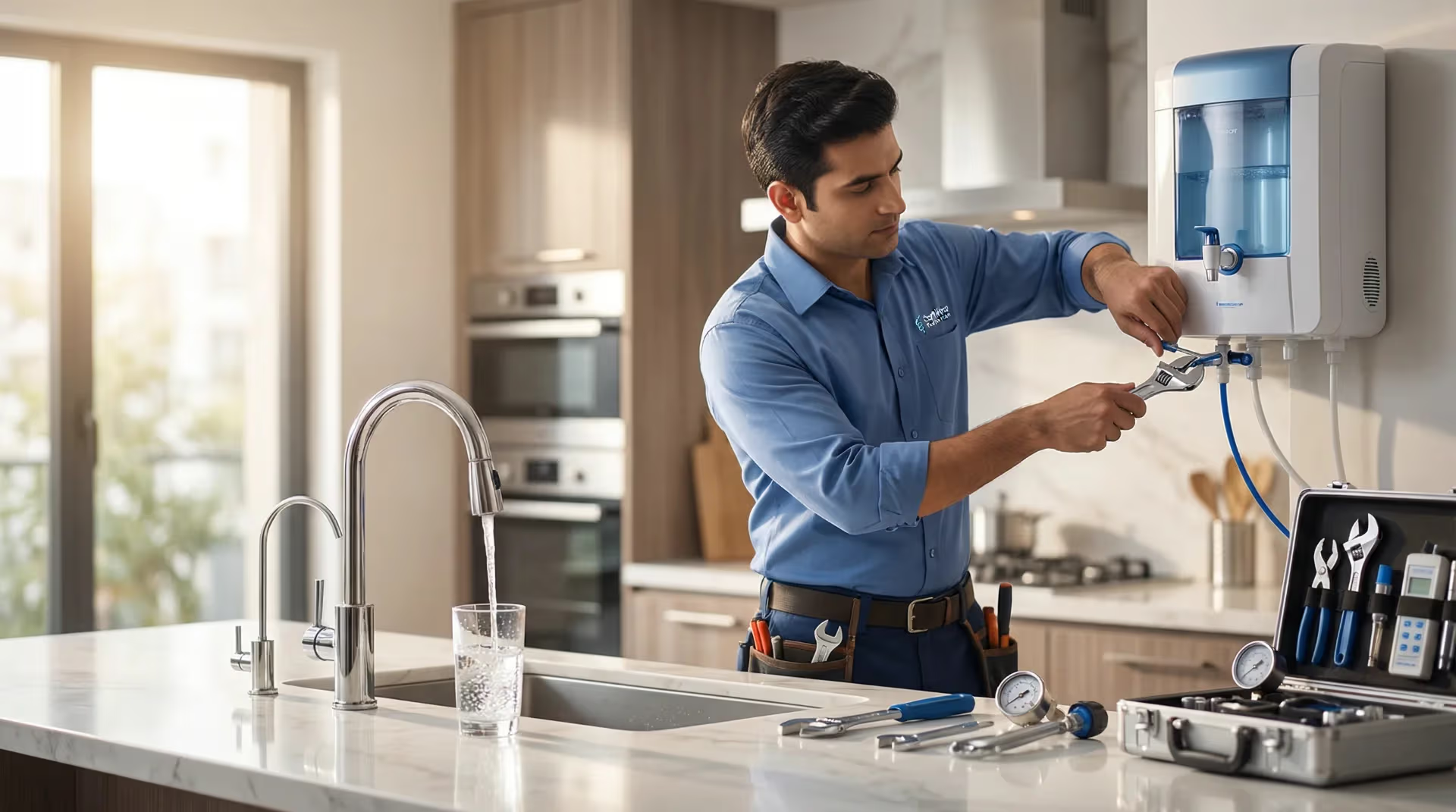
If the primary concern is drinking and cooking water, a point-of-use system installed at the kitchen sink may be a practical choice. This approach focuses treatment where it matters most for consumption.
Reverse osmosis is one technology often considered for this type of application. Properly designed systems can reduce many dissolved substances, including nitrate, but performance depends on the equipment and the incoming water.
There are also maintenance requirements to consider. Filters and membranes eventually need replacement, and some systems produce wastewater as part of their operation.
The right system isn’t just about what it can remove. It’s also about whether it fits your household. Why Your Tap Water Smells Like Chlorine and What You Can Do About It
Whole-House Treatment May Be Different
In some situations, homeowners may prefer treatment at the point where water enters the house.
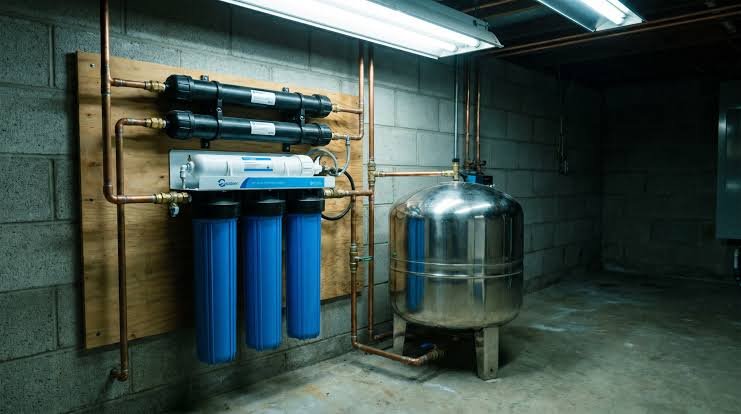
Whole-house treatment can provide treated water at multiple fixtures, but it also means treating a much larger volume of water. That can increase equipment size, installation requirements, and operating costs.
For a nitrate concern limited to drinking water, whole-house treatment may be unnecessary. For broader water-quality requirements, it might make more sense.
This is why testing and professional evaluation can be helpful before making a purchase.
What Does Safer Water Really Mean?
The goal of treatment isn’t simply to create water that “looks cleaner.” The bigger objective is safer water that meets the needs of the household and is appropriate for its intended use.
That distinction matters.
Different treatment systems address different water-quality characteristics. A softener is designed primarily for hardness. A sediment filter targets particles. Carbon filtration can address certain taste and odor concerns. Reverse osmosis and ion exchange have different applications and capabilities.
There isn’t one magic machine that solves every water problem. Why Upgrading to a Modern Water Softener Is One of the Best Investments for Your Home
Understanding what a system is actually designed to do helps homeowners make better decisions and avoid paying for equipment they don’t need.
Maintenance Shouldn’t Be an Afterthought
Even a properly selected treatment system needs attention.
Filters have replacement intervals. Reverse osmosis membranes eventually need changing. Ion-exchange equipment may require regeneration or other servicing. Testing may also be useful periodically to confirm that treatment continues to perform as expected.
Create a simple maintenance schedule. Write down installation dates, filter changes, and service appointments.
It’s easy to forget these things when everything appears to be working. Unfortunately, that’s often when maintenance gets pushed aside.
A few reminders each year can help keep the equipment working as intended.
Don’t Choose a System Based Only on Price
Cost matters, but the initial purchase price tells only part of the story. Why Better Water at Home Starts with Understanding What Your Family Really Needs
Look at installation expenses, replacement parts, maintenance, energy consumption, water usage, and professional servicing. A system that seems cheap at first may become expensive if components need frequent replacement.
At the same time, an expensive system isn’t automatically superior.
Focus on suitability, documented performance, maintenance requirements, and long-term value. If possible, get advice from a qualified water-treatment professional who can explain why a particular technology fits your water.
A Better Way to Approach Nitrate Concerns
Nitrate concerns can sound complicated, but the decision-making process doesn’t have to be.
Start by testing the water. Understand the result and consider where the nitrate may be coming from. Then research treatment technologies designed specifically for the issue.
Most importantly, don’t buy equipment simply because a salesperson says you need it. Ask questions. Understand what the system removes, what it doesn’t remove, how often it needs maintenance, and what it will cost to operate.
Water treatment works best when it’s based on evidence rather than guesswork. With proper testing, suitable equipment, and regular maintenance, homeowners can take a more informed approach to their water quality—and enjoy greater confidence every time they fill a glass from the tap.