Water is one of those things we use all day without giving it much thought. We fill a glass before work, make tea in the morning, rinse vegetables for dinner, and fill a pot when it’s time to cook. Yet when water has an unusual taste, cloudy appearance, or unpleasant smell, we quickly realize how much its quality matters. Good water makes everyday routines more pleasant, and understanding what’s coming through your taps is a sensible first step toward improving it.
For many households, the solution begins with identifying the specific water quality issues they face. Some homes struggle with sediment, others notice chlorine odors, and some have concerns about minerals or contaminants that aren’t visible to the naked eye. Fortunately, there are practical ways to address these problems without making water treatment unnecessarily complicated.
Understanding What’s in Your Tap Water
Water quality can vary considerably depending on where you live and how your water reaches your home. Municipal supplies are generally treated and monitored, but water can still pick up substances as it travels through distribution pipes. Private wells have different considerations because their quality depends on local groundwater conditions, nearby activities, and the condition of the well itself.
Common complaints include a swimming-pool-like chlorine smell, a metallic aftertaste, cloudy water, or tiny particles that settle at the bottom of a glass. Hard water may also leave white deposits on faucets, kettles, and shower screens.
Not every visible change signals a serious health problem, and not every water concern can be detected by appearance alone. Lead, certain pesticides, and other contaminants may be present without changing the water’s color or taste. That’s why testing is more useful than guessing.
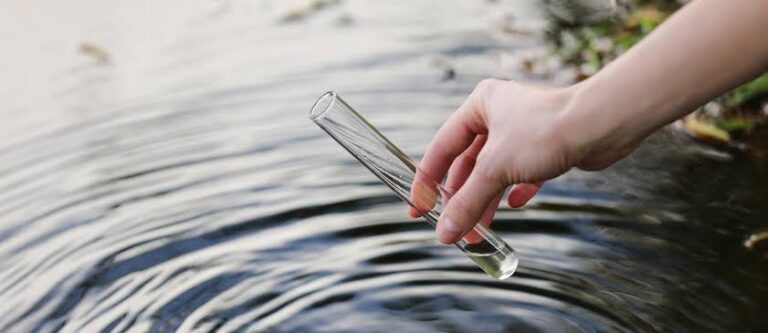
A basic water assessment can help identify hardness, pH, and other common characteristics. Depending on the source and local concerns, additional laboratory testing may be appropriate. Once you understand the results, choosing a suitable treatment becomes much easier. Understanding Your Water Quality Before Choosing the Right Treatment
Why Sediment and Impurities Deserve Attention
Have you ever noticed small particles floating in a glass of water or a gritty residue collecting inside a faucet aerator? These signs may point to sediment entering the plumbing system, although plumbing corrosion or other issues can sometimes produce similar symptoms.
Sediment can include sand, silt, rust particles, and other suspended material. It may enter through a private well, appear after water main repairs, or come from deteriorating pipes and plumbing components. While sediment isn’t necessarily dangerous in every situation, persistent problems deserve investigation.
A properly selected sediment filter can help reduce sediment and impurities before water reaches household fixtures or drinking-water treatment equipment. This can improve clarity and help protect certain appliances from accumulating unwanted particles.
However, filtration isn’t a one-size-fits-all solution. A basic sediment filter won’t necessarily remove dissolved chemicals, microorganisms, or heavy metals. Different technologies target different substances, so treatment should match the actual problem rather than rely on a product’s broad marketing claims.
If water suddenly becomes brown, develops an unusual odor, or changes noticeably after plumbing work, contact your water supplier or a qualified professional to investigate the cause. Simply installing a filter may not resolve the underlying issue. The Everyday Difference Better Water Can Make in Your Home
Making Drinking Water More Enjoyable
Taste is often the first reason people begin exploring water filtration. Even when water meets applicable safety standards, chlorine odors, mineral flavors, or other characteristics may make it less appealing to drink.
Activated carbon filters are commonly used to reduce chlorine taste and odor. Depending on their design and certification, they may also reduce certain organic compounds. Reverse osmosis systems use a membrane to reduce many dissolved substances and can be useful when testing identifies contaminants that the system is designed to address.
The right choice depends on what you’re trying to improve. If the main complaint is chlorine flavor, a suitable carbon filter might be enough. If dissolved contaminants are the concern, a more advanced system may be necessary.
For households seeking cleaner water for cooking and beverages, an under-sink filtration system can be a practical option. It provides treated water at a dedicated faucet, making it convenient for filling drinking glasses, preparing coffee, washing produce, or cooking rice and pasta.
Remember that the word “filtered” doesn’t automatically mean every contaminant has been removed. Look for independent certifications, such as NSF/ANSI standards relevant to the particular reduction claims being made. Check the manufacturer’s performance information carefully, because certification for one substance doesn’t guarantee removal of everything else.
Is Bottled Water the Better Choice?
Many families purchase bottled water because they prefer its taste or want a convenient option when traveling. It can certainly be useful in particular situations, including emergencies or places where safe drinking water isn’t readily available.
Still, bottled water isn’t automatically superior to properly treated tap water. Quality depends on the source, treatment process, handling, and applicable regulations. Bottles also create ongoing costs, require storage space, and contribute to packaging waste when they aren’t recycled effectively. A Stronger Home Starts With Paying Attention to the Details Outside
For regular household use, a suitable point-of-use filtration system may be more convenient over time. You can refill reusable bottles at home, keep drinking water readily available, and reduce the need to carry heavy packs from the store.
Before switching away from bottled water, consider why you buy it. If it’s mainly about taste, a carbon filter may address the issue. If you’re concerned about a specific contaminant, have the water tested and choose treatment designed for that substance. If a public health advisory recommends bottled water, however, follow the official guidance until authorities say the supply is safe for the intended use.
Choosing a Water Filter That Fits Your Home
Shopping for a water filtration system can feel overwhelming. There are countertop pitchers, faucet-mounted filters, under-sink units, whole-house systems, and reverse osmosis equipment. Each serves a different purpose.
A pitcher filter is relatively inexpensive and easy to use, making it a reasonable starting point for improving taste. Under-sink systems offer a more permanent solution for drinking and cooking water. Whole-house filters treat water entering the property, which can be helpful when sediment or other identified concerns affect multiple fixtures.
The important distinction is where treatment is needed. If your primary concern involves drinking water, a dedicated kitchen system may be sufficient. If sediment repeatedly clogs fixtures throughout the home, investigating a point-of-entry solution may make more sense. Smarter Water Treatment: How Connected Technology Can Make Filtration Easier
Consider the initial purchase price alongside replacement filters, installation costs, maintenance requirements, and expected filter life. A system that looks inexpensive at first can become costly if replacement cartridges are difficult to find or need frequent changing.
It’s also wise to avoid buying equipment based solely on impressive-sounding claims. Review independent certifications and confirm that the system has been tested for the contaminants you want to reduce.
Don’t Overlook Maintenance and Water Testing
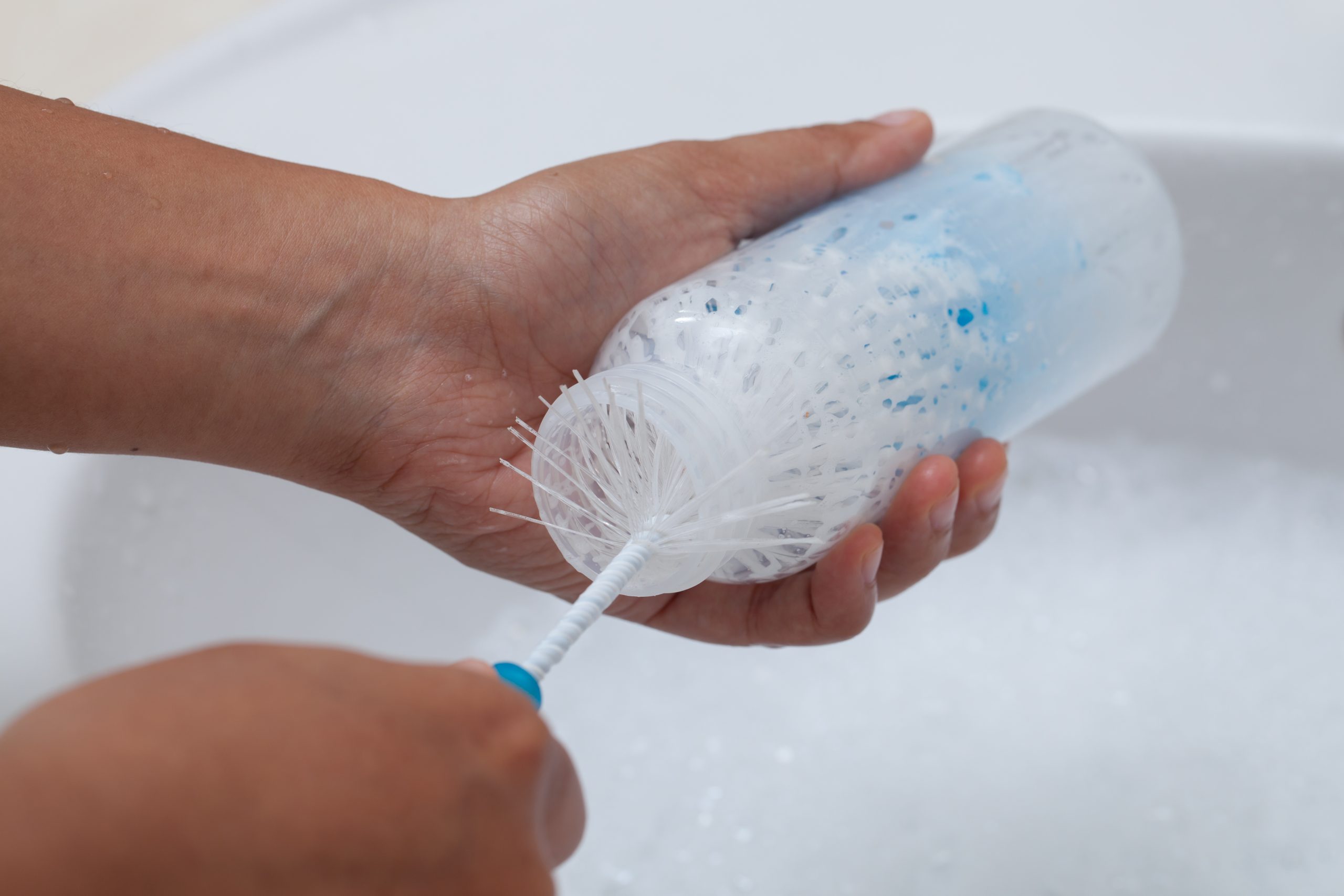
Even a high-quality filtration system needs attention. Filters gradually collect particles or reach the end of their useful life, and some systems require periodic sanitization or professional servicing. Neglecting maintenance can reduce performance and, in certain circumstances, affect water quality.
Follow the manufacturer’s replacement schedule, but pay attention to actual usage and local water conditions, too. A household with heavy water consumption may need replacements sooner than a smaller household using the same equipment. Beyond Basic Filtration: Understanding Specialized Water Treatment for Modern Facilities
Testing should also be part of the process, particularly for private wells or homes with known plumbing concerns. Well owners should follow local public health recommendations for routine testing, including checks for bacteria and other locally relevant contaminants. If you live in an older property, ask whether lead testing is appropriate.
Keep records of test results and filter changes. It may seem like extra paperwork, but those details help you understand whether your treatment system is working as intended.
A Practical Approach to Better Water
Improving household water doesn’t have to involve expensive equipment or complicated decisions. Start by identifying the source of your water, noticing any changes in taste or appearance, and testing for concerns that matter in your area.
Then choose a treatment system based on reliable evidence rather than assumptions. A simple carbon filter may solve a taste problem, while a different concern could require specialized filtration or professional attention.
Clean, pleasant-tasting water makes everyday life a little easier, from the first cup of coffee to the last glass before bed. With sensible testing, appropriate equipment, and regular maintenance, you can make a more informed decision about the water your household uses every day.