Some home improvements are easy to notice. A fresh coat of paint changes a room, new lighting makes a space feel warmer, and updated flooring can transform the entire house. Water quality is a little different. You might not see an immediate change in your surroundings, but the difference can show up in your morning routine, the way your dishes look, or how your skin feels after a shower.
Many households deal with hard water without fully realising it. White marks around faucets, cloudy glassware, soap that seems difficult to rinse away, and mineral deposits on showerheads are familiar signs. These problems aren’t necessarily dangerous, but they can make ordinary chores more frustrating than they need to be.
The good news is that water quality problems can often be managed with the right information and an appropriate treatment system. The trick is to understand what is happening in your home before investing in a solution.
Why Water Quality Affects Everyday Comfort
Water travels through your home from morning until night. It fills kettles, runs through showers, washes vegetables, and helps keep clothes and dishes clean. When the water contains high levels of dissolved minerals or certain other substances, you may notice differences in how it behaves.
Hard water, for example, contains elevated concentrations of calcium and magnesium. These minerals can react with soap and contribute to deposits on plumbing fixtures, bathroom tiles, and appliances. Depending on the severity, the buildup may mean more frequent cleaning and additional maintenance.
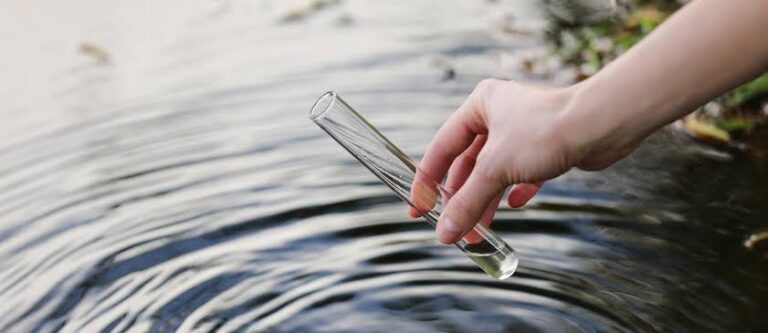
Other water quality concerns have different causes. Chlorine used in municipal water treatment can affect taste and smell, while sediment may appear because of supply conditions or plumbing issues. Some contaminants cannot be detected by sight or smell at all, which is why testing matters when safety is a concern. Better-Tasting Water at Home: Simple Ways to Improve Everyday Drinking and Cooking
Understanding the source of a problem is the first step toward solving it. Buying a filter without knowing what you need to address can leave you with equipment that costs money but delivers little practical benefit.
Enjoy Cleaner-Looking Dishes and Glassware
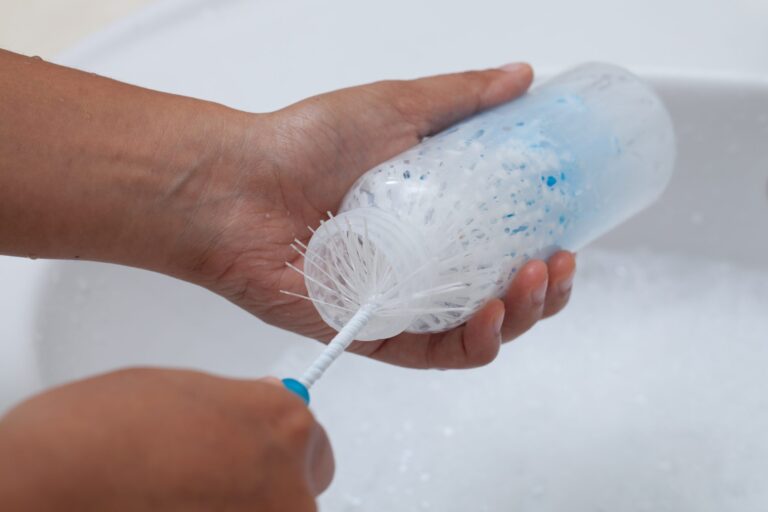
Few kitchen frustrations are as persistent as unloading the dishwasher and finding cloudy glasses or pale spots on plates. You run a full cycle, use detergent, and expect everything to come out sparkling. Instead, the glassware looks as though it needs another wash.
Hard water may be part of the explanation. As water dries, dissolved minerals can leave visible deposits on glass and other surfaces. Detergent dosage, rinse-aid settings, dishwasher maintenance, and loading habits can also affect the final result.
For households struggling with these issues, achieving spotless dishes and stemware may start with a few simple adjustments. Check whether your dishwasher has a water-hardness setting, use rinse aid as recommended, and clean the filter and spray arms according to the manufacturer’s instructions.
If the problem continues, consider testing your water hardness. A water softener may help where excessive hardness is the main cause, but a standard carbon filter generally isn’t designed to remove the dissolved minerals responsible for these spots. Understanding Your Water Quality Before Choosing the Right Treatment
It’s worth avoiding unnecessary purchases until you’ve identified the likely cause. Sometimes a small adjustment to the dishwasher settings makes a bigger difference than expected.
How Hard Water Can Affect Your Skin
A long, warm shower should feel relaxing, not leave you wondering why your skin feels tight afterward. For some people, hard water can contribute to that uncomfortable sensation because minerals may interact with soaps and leave residue on the skin.
Still, skin dryness has many possible causes, including cold weather, hot showers, frequent washing, and personal sensitivity to skincare products. Hard water isn’t automatically responsible, and a water treatment system shouldn’t be viewed as a cure for a skin condition.
If mineral-rich water seems to be contributing to your discomfort, softer skin may be one benefit you notice after addressing the underlying hardness. A properly installed and maintained water softener reduces calcium and magnesium through an ion-exchange process, which can make soap easier to lather and rinse away.
You can also try practical changes right away. Use lukewarm rather than very hot water, choose a gentle cleanser, and apply a suitable moisturiser after bathing. If irritation persists or becomes severe, seek advice from a healthcare professional instead of relying on water treatment alone.
These everyday adjustments are simple, but they can make a shower feel much more comfortable. A Stronger Home Starts With Paying Attention to the Details Outside
What About Hair That Feels Dry or Difficult to Manage?
Hair can sometimes feel rough, dull, or harder to rinse after washing. Mineral deposits may contribute to residue on the hair, particularly when water hardness is high, although hair type, shampoo, styling products, and scalp conditions also play important roles.
People often try several shampoos in search of an answer, only to find that the problem returns. If your water is particularly hard, checking its mineral content may offer a useful clue.
For some households, reducing hardness can contribute to silkier hair by helping soap and shampoo rinse away more easily. Results vary, however, and no water system can guarantee a particular cosmetic outcome. Hair texture is influenced by many factors, so it’s best to keep expectations realistic.
Meanwhile, consider using a gentle shampoo suited to your hair type and avoiding excessive heat styling. Rinsing thoroughly and using conditioner on the lengths of your hair may also help. If you experience persistent scalp irritation or unusual hair loss, consult a qualified healthcare professional.
Choosing a Water Treatment System That Makes Sense
Once you have a clearer idea of your water quality, the next step is selecting suitable treatment. Different systems perform different jobs, and understanding those differences can save both money and frustration. Smarter Water Treatment: How Connected Technology Can Make Filtration Easier
A water softener is designed to reduce hardness minerals. Activated carbon filters can reduce chlorine taste and odour, along with certain other substances depending on the product. Sediment filters capture suspended particles, while reverse osmosis systems can reduce many dissolved substances in drinking water when properly selected and maintained.
Some homeowners choose whole-house treatment because they want to address a particular issue across multiple fixtures. Others prefer a point-of-use system at the kitchen sink for drinking and cooking water. Neither approach is automatically better; the right choice depends on your test results, household needs, and budget.
Before buying, ask about installation requirements, replacement filters, ongoing maintenance, water usage, and warranty coverage. Look for products tested or certified for the specific contaminants they claim to reduce. A trustworthy provider should explain what the equipment can do and where its limitations lie.
Don’t Overlook Maintenance
Even a well-chosen system needs regular care. Filters have recommended replacement intervals, softeners require appropriate servicing, and other equipment may need periodic inspection. Neglecting these tasks can reduce performance and increase the chance of avoidable problems.
Keep a record of maintenance dates and follow the manufacturer’s instructions. If water taste, pressure, or appearance changes unexpectedly, investigate rather than assuming the system is working as intended. Beyond Basic Filtration: Understanding Specialized Water Treatment for Modern Facilities
It’s also sensible to review your needs from time to time. Household size, water usage, and equipment can change, and a system that once suited your home may eventually need adjustment.
Better Water Begins With Better Information
Improving household water doesn’t have to mean an expensive renovation or a complicated setup. Often, the best starting point is simply paying attention to what you’re noticing and finding out why it’s happening.
Test your water when appropriate, compare treatment options carefully, and choose a system that addresses a real need. Remember that cosmetic concerns and potential health risks require different responses, so don’t rely on taste or appearance alone when safety is involved.
The goal is straightforward: make everyday tasks easier, look after your household equipment, and feel confident about the water you use. With sensible choices and regular maintenance, better water quality can become a quiet but valuable part of a more comfortable home.