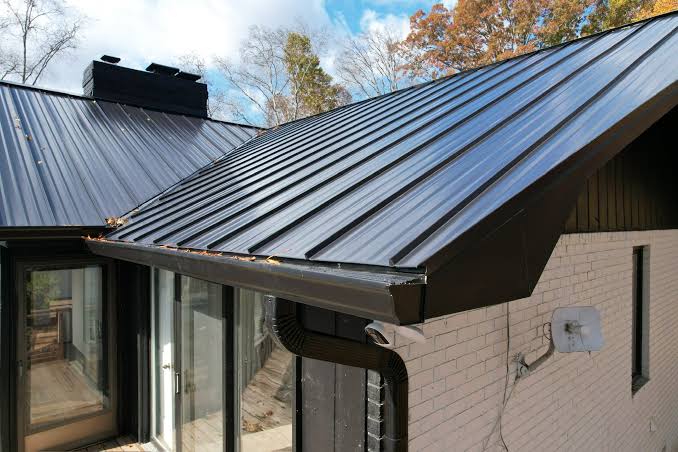
A home can feel perfectly comfortable inside while slowly developing problems on the outside. Maybe a patch of paint has started peeling near the front door, rainwater keeps collecting beside the driveway, or a few shingles look a little worse for wear. None of these things necessarily seems urgent on its own. But over time, small exterior issues can become expensive repairs, especially when water finds its way into places it doesn’t belong.
Looking after a home’s exterior isn’t just about keeping it attractive. It’s about protecting the structure, improving comfort, and avoiding unnecessary stress when the weather turns unpleasant. The good news is that you don’t need to renovate everything at once. Knowing what to inspect, which problems deserve attention, and how different exterior components work together can help you make smarter decisions.
Start With the Parts That Protect Your Home
The outside of a house works as a connected system. The roof shields the structure from rain and sunlight, gutters carry water away, and exterior walls help keep moisture and outside air from entering. When one part stops working properly, other areas may begin to suffer.
Take water as an example. A damaged roof can allow moisture into the attic, but blocked gutters can send water down the walls instead. Cracked exterior materials may then provide another route for moisture to enter. These problems often overlap, which is why a quick patch doesn’t always solve the underlying issue.
A seasonal walk around your property can reveal plenty. Look for loose materials, cracks, dark stains, peeling paint, and sections that appear uneven. After heavy rain, notice where water collects and whether it drains away from the house. You don’t have to diagnose every issue yourself; the aim is simply to recognize when something has changed. Better-Tasting Water at Home: Simple Ways to Improve Everyday Drinking and Cooking
Why the Condition of Your Roof Matters
Your roof handles more than most homeowners realize. It faces direct sunlight, temperature changes, strong winds, rain, and sometimes hail or snow. Even durable materials gradually wear down, and installation quality plays a major role in how well they perform.
Well-maintained roofing helps protect the attic, insulation, ceilings, and structural framing from moisture. When the roof begins to fail, the first warning may be a small ceiling stain or a musty smell rather than an obvious hole. Water can travel along beams and other surfaces before appearing indoors, making the original entry point difficult to identify.
Check the roof from the ground whenever possible. Missing shingles, loose flashing, visible sagging, or pieces of roofing material in the yard deserve further attention. Avoid climbing onto a roof to investigate, particularly after rain or a storm. A qualified professional can inspect the surface and determine whether a repair or more extensive work is needed.
It’s also worth considering the roof’s age and repair history. If leaks keep returning in different locations, repeatedly fixing individual spots may not be the most economical approach. A professional assessment can help you compare the cost of continued repairs with the long-term value of replacement.
Don’t Underestimate the Importance of Gutters
Gutters aren’t especially glamorous, but they’re essential to proper drainage. Their job is straightforward: collect rainwater from the roof and direct it toward downspouts, where it can move away from the building.
When gutters become blocked with leaves, twigs, and roof debris, water may spill over the edges. It can stain siding, damage landscaping, erode soil, and collect near the foundation. In some cases, persistent moisture may contribute to damp basement walls or problems around the home’s lower levels.
A simple inspection can help you spot trouble early. Look for sagging sections, separated joints, rust, and water marks beneath the roofline. If water remains inside the channels long after rainfall, the system may be clogged or improperly sloped. Understanding Your Water Quality Before Choosing the Right Treatment
Cleaning frequency depends on the property. A house surrounded by mature trees may need more attention than one in an open area. Gutter guards can reduce debris buildup, although they don’t eliminate the need for inspections.
Downspouts deserve equal attention. Make sure they aren’t blocked and that they discharge water away from the foundation. Sometimes a small adjustment to the drainage arrangement can prevent recurring puddles and protect the surrounding soil.
Exterior Walls Need Protection, Too
Walls are exposed to sun, wind, rain, and everyday wear. Depending on the material, they may develop cracks, fading, loose panels, or gaps around windows and doors. These changes can affect appearance, but they can also interfere with the home’s ability to keep moisture and outside air where they belong.
Good siding & exterior trim provide an additional layer of protection while giving the house much of its character. Whether a property has vinyl siding, fibre cement, engineered wood, or another exterior finish, regular checks can help identify damage before it spreads.
Pay attention to areas where different materials meet. Corners, window surrounds, door frames, and joints around utility openings can be vulnerable to water entry when sealants deteriorate or materials shift. Peeling paint may simply reflect age, but it can also indicate moisture beneath the surface. The Everyday Difference Better Water Can Make in Your Home
Repairs should match the material and the source of the problem. Painting over damp wood, for instance, won’t solve the reason it became wet in the first place. The underlying cause needs to be addressed before the finish is restored.
Make Improvements With the Whole Property in Mind
When homeowners plan exterior improvements, it’s tempting to focus on the most visible feature. A fresh colour scheme or new front door can make a dramatic difference, and curb appeal certainly matters. Still, practical improvements often deliver value that isn’t immediately obvious.
If you’re replacing a roof, ask whether the gutters and flashing are in suitable condition. If you’re updating siding, check the underlying surfaces for moisture damage. When replacing windows or doors, make sure the surrounding openings are properly sealed and insulated.
Planning related work together may reduce duplicated labour and help contractors coordinate their schedules. It can also prevent a situation where one newly improved component has to be disturbed to repair another shortly afterward. Smarter Water Treatment: How Connected Technology Can Make Filtration Easier
That doesn’t mean every project must happen at once. Budget is a real consideration, and sensible homeowners often work in stages. Prioritize safety concerns, active leaks, structural damage, and drainage problems before moving on to cosmetic updates.
Finding the Right Professional for the Job
Exterior work can involve several trades, so choosing an experienced contractor matters. Look for relevant experience, insurance, references, and a written estimate that clearly explains the proposed work. Ask which materials will be used, how long the project is expected to take, and what happens if hidden damage is discovered.
A trustworthy contractor should be willing to explain options without pushing you into an immediate decision. If a problem is urgent, they should describe why and outline the safest next step. For less pressing improvements, you should have time to compare estimates and understand the benefits of each approach.
Don’t automatically choose the lowest price. A quote that excludes important materials, disposal, flashing, or finishing work may eventually cost more than a detailed estimate from a contractor who has considered the whole project.
Keep copies of invoices, warranties, and inspection reports. These records make future maintenance easier and help you understand what work has already been completed. Beyond Basic Filtration: Understanding Specialized Water Treatment for Modern Facilities
Small Habits Can Prevent Bigger Problems
You don’t need an elaborate maintenance plan to keep your home in better condition. A few checks each season can make a meaningful difference. Look over visible roof areas, clear gutters safely, trim branches that threaten the building, and inspect exterior walls for cracks or loose materials.
After severe weather, check for changes once conditions are safe. Take photographs of visible damage and arrange a professional assessment when necessary. Addressing a small issue early is usually less disruptive than dealing with moisture damage after it has spread.
Most of all, remember that exterior maintenance is an ongoing responsibility, not a one-time project. Materials age, weather changes, and homes settle. Some repairs will be unavoidable, but regular attention gives you more control over when and how they happen.
A well-protected home isn’t necessarily the newest or most expensive one on the street. It’s the one whose owners understand what it needs and take action before minor concerns turn into major headaches. With a little planning and the right professional help, you can protect your investment, improve everyday comfort, and enjoy greater peace of mind through every season.