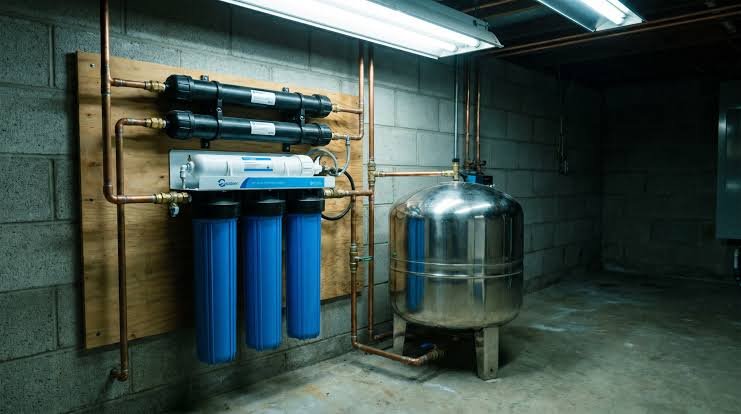
Water filtration has changed quite a bit over the years. The basic goal remains the same — improve water quality and make treatment easier — but today’s systems can do more than simply filter water and sit quietly under a sink.
Modern equipment can monitor conditions, communicate useful information, and help homeowners understand when maintenance may be needed. For people who don’t want another household system to constantly think about, that’s a welcome change.
After all, most of us don’t want to become experts in water filtration. We just want the system to work.
From Traditional Filters to Smarter Systems
Older filtration systems were relatively simple. Water entered, passed through a filter, and came out treated.
There was nothing wrong with that approach, but homeowners often had limited information about what was happening inside the equipment. You might know when you installed a filter, but knowing exactly how much life remained could be another matter.
Connected technology changes that.
By combining filtration equipment with monitoring and communication features, newer systems can provide more useful information about operation and maintenance. That can make ownership less of a guessing game.
What Connected Communication Can Do
One example is Patented HydroLink® communication technology, which is designed to allow compatible water treatment equipment to communicate information about system operation.
The idea is fairly simple: instead of treating the equipment as a completely isolated appliance, connected technology can help provide information that makes monitoring and service easier.
For homeowners, that may mean greater visibility into how the system is operating. For service professionals, connected information can potentially make troubleshooting more efficient. Beyond Basic Filtration: Understanding Specialized Water Treatment for Modern Facilities
It’s a small shift in thinking, but an important one. Technology isn’t replacing the filtration process; it’s helping people understand and manage it.
Why Monitoring Product Performance Matters
A filtration system can be working every day without anyone paying much attention to it. That’s convenient, but it can also mean problems go unnoticed.
Monitoring product performance can help provide a clearer picture of whether equipment is operating as expected.
This is particularly useful with systems that have multiple stages or components. If something changes, useful performance information can help identify where attention may be needed.
Of course, monitoring doesn’t eliminate the need for professional service or regular maintenance. Technology is a tool, not a substitute for proper care.
Still, having more information available can make decisions easier.
Knowing When Filters Need Attention
One of the simplest but most important parts of owning a filtration system is replacing filters on time.
Wait too long and performance can suffer. Replace them too early and you’re spending money unnecessarily. Why a Nitrate Water Test Can Be the First Step Toward Better Drinking Water
That’s why filter life information can be genuinely useful.
Instead of relying entirely on memory or guessing based on the calendar, homeowners may be able to use system information to understand when a filter is approaching the end of its useful life.
That can turn maintenance from a vague “I should probably do that soon” task into something much more straightforward.
Convenience Is the Real Benefit
Technology is useful when it solves a real problem.
Nobody needs an app simply because an app exists. But if connected water equipment can help you understand filter status, system operation, or potential service needs, then it becomes practical rather than gimmicky.
Think about other appliances in your home. Your phone can tell you when a package is delivered. Your car can warn you about maintenance. Your thermostat can adjust itself based on your routine.
Water treatment is moving toward that same kind of convenience.
The technology doesn’t have to be flashy. It just needs to make everyday ownership easier.
Better Information Can Support Better Service
Connected systems can also change the relationship between homeowners and service professionals. Why Your Tap Water Smells Like Chlorine and What You Can Do About It
Instead of describing a vague problem over the phone — “the water doesn’t seem right” — useful system information may provide additional context before a technician arrives.
That can potentially make service visits more focused.
It doesn’t mean every problem can be diagnosed remotely. Water chemistry, plumbing issues, leaks, and equipment conditions can still require hands-on inspection.
But having more information before the visit can be helpful, especially when troubleshooting a complicated system.
Technology Doesn’t Replace Good Installation
It’s easy to focus on the smart features and forget the basics.
A connected filtration system still needs to be properly sized and installed. Water pressure, plumbing connections, drainage, filter selection, and system configuration all matter.
Even the best technology can’t compensate for equipment that isn’t appropriate for the home’s water conditions.
That’s why water testing and professional installation remain important parts of the process. Why Upgrading to a Modern Water Softener Is One of the Best Investments for Your Home
Smart equipment should begin with a smart treatment plan.
Maintenance Still Matters
Connected monitoring can make maintenance easier, but it doesn’t mean maintenance disappears.
Filters still need replacement. Components still wear out. Systems should still be inspected according to manufacturer recommendations.
Homeowners should continue paying attention to changes in water taste, odor, pressure, or appearance.
Technology can provide useful information, but your own observations still matter.
If something suddenly seems different, don’t ignore it just because the system hasn’t displayed a warning.
Is Connected Water Treatment Worth It?
For some households, smart monitoring may be more useful than for others. Why Better Water at Home Starts with Understanding What Your Family Really Needs
If you prefer simple equipment and don’t mind keeping track of maintenance yourself, a traditional system may be perfectly adequate.
But if you value convenience, want more information about system operation, or simply have enough household tasks already, connected technology can be appealing.
The important thing is to evaluate the technology based on what it actually does for you.
Don’t buy a feature just because it sounds futuristic.
A More Practical Future for Water Treatment
Water treatment is becoming smarter, but the fundamentals haven’t changed. Good systems still depend on appropriate technology, proper installation, regular maintenance, and an understanding of the water being treated.
What connected technology adds is visibility.
Instead of wondering whether your system is operating properly or when a filter needs attention, you may have useful information right when you need it.
That’s probably the most valuable part of smarter water treatment. Not the novelty, not the buzzwords — just a quieter, easier way to manage something your household depends on every single day.