Water is one of those everyday essentials that rarely gets much attention until something seems wrong. Maybe your morning coffee tastes different, white marks keep appearing around the kitchen faucet, or you’ve started wondering what might be present in the water your family drinks. These concerns are common, and they don’t always mean there’s a serious problem. Still, they’re worth investigating rather than simply hoping they’ll disappear.
Choosing a water treatment system can feel complicated because there are so many options. Carbon filters, water softeners, reverse osmosis units, and whole-house systems all serve different purposes. The most sensible first step isn’t buying equipment. It’s finding out what your water contains and deciding which issues, if any, actually need to be addressed.
With a little reliable information, you can make a more confident decision, avoid unnecessary expenses, and choose a solution that fits the way your household uses water.
Why Water Testing Should Come First
Water can contain naturally occurring minerals, treatment chemicals, sediment, and other substances picked up from the environment or plumbing. Some affect taste and appearance, while others may be important for health even when they have no noticeable effect on the water.
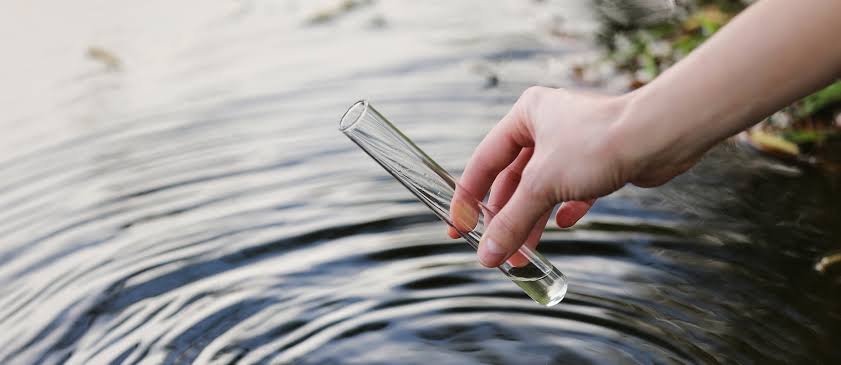
A water test helps separate assumptions from measurable results. For example, hard water contains elevated levels of calcium and magnesium, which can contribute to scale on faucets and inside appliances. Iron may cause reddish stains, while chlorine can affect taste and smell. Other concerns, including certain metals and microorganisms, require appropriate testing because you cannot reliably identify them by looking at a glass of water. Better-Tasting Water at Home: Simple Ways to Improve Everyday Drinking and Cooking
If you receive water from a municipal supplier, begin by reviewing its water quality report. It can provide useful information about the source and the substances monitored by the utility. However, water may also be affected by plumbing inside a property, so additional testing may be appropriate if you have specific concerns.
Private well owners should pay particular attention to regular testing. Well water isn’t necessarily treated or monitored in the same way as public supplies, and its quality can change with weather, nearby land use, or damage to the well system.
Getting Started With a Water Test
For homeowners who aren’t sure where to begin, it may be useful to request a free water test from a qualified provider that offers this service. An initial assessment can help identify common water quality concerns and explain which tests may be appropriate for your property.
Before arranging a test, ask what it includes. Some basic assessments measure hardness, pH, or total dissolved solids, while more comprehensive laboratory tests can examine particular contaminants. A free screening can be a convenient starting point, but it should not automatically be treated as a complete safety evaluation.
This distinction matters. A simple handheld meter, for example, may estimate total dissolved solids, but it cannot tell you which specific substances account for that reading. A high or low number alone doesn’t establish whether water is safe to drink. The Everyday Difference Better Water Can Make in Your Home
Ask whether samples are analysed in a laboratory, which contaminants are covered, and whether you will receive written results. If the water comes from a private well, consult local public health guidance to determine which tests are recommended for your area.
A trustworthy provider should explain the limits of the assessment as well as its benefits. You should be able to understand what was tested, what the results mean, and whether further investigation is needed.
Why Arsenic Deserves Special Attention
Some water quality issues are difficult to identify without proper analysis. One example is arsenic in water, which can occur naturally in groundwater when water passes through certain rock and soil formations. It may also be present because of specific industrial or agricultural activities in some locations.
Arsenic has no reliable taste, smell, or colour that allows you to detect it at home. A clear glass of water therefore offers no assurance that arsenic is absent. Long-term exposure to elevated levels can pose serious health risks, making appropriate testing particularly important in areas where groundwater arsenic is a known concern.
If you use a private well, check local guidance about arsenic testing. Where results indicate a problem, consult a qualified water treatment professional or public health authority about suitable next steps. Don’t assume that a standard pitcher filter or basic carbon cartridge will remove arsenic effectively. A Stronger Home Starts With Paying Attention to the Details Outside
Treatment performance depends on the technology, the chemical form of arsenic present, and the characteristics of the water. Certain reverse osmosis units and specialised treatment media can reduce arsenic under specified conditions, but the product must be verified for the intended application. Follow-up testing is also important to confirm that treatment is working as expected.
If testing identifies arsenic above the applicable drinking-water guideline or standard, follow advice from the relevant health authority about using an alternative water source while arranging an appropriate treatment solution. Guesswork is not a good substitute for evidence when a potential health concern is involved.
Why Reverse Osmosis May Be Worth Considering
Once you have reliable test results, you can compare treatment options based on the substances you want to reduce. For many households, why choose reverse osmosis is a question that comes up when they want a drinking-water system capable of reducing a range of dissolved contaminants.
Reverse osmosis uses pressure to move water through a semipermeable membrane. The membrane separates much of the water from many dissolved substances, although the amount removed varies with the system design, operating conditions, and water chemistry. Depending on the product’s verified performance, reverse osmosis can reduce certain dissolved salts, lead, nitrate, arsenic, and other specified contaminants.
Many residential systems are installed beneath the kitchen sink and connected to a dedicated faucet. This arrangement makes treated water convenient for drinking, cooking, and preparing beverages without requiring the entire household supply to pass through the same treatment process. Smarter Water Treatment: How Connected Technology Can Make Filtration Easier
There are trade-offs to understand before buying. Reverse osmosis units need routine filter changes and eventual membrane replacement. Many models also send some water to the drain during operation, although efficiency varies. Some systems include additional carbon filtration stages, and certain products may alter the mineral content or taste of the treated water.
Reverse osmosis is not a universal answer. It may be unnecessary if the only concern is mild chlorine taste, and it should not be assumed to remove every possible contaminant. Check independent certifications and performance documentation for the exact substances you need to address.
Consider the Whole Household, Not Just One Faucet
Water treatment can be installed at different points in a property. A point-of-use system treats water at a particular tap, often in the kitchen. A point-of-entry system treats water as it enters the home, potentially addressing certain concerns throughout the plumbing.
The right arrangement depends on your test results and everyday needs. If the main issue involves drinking water, a dedicated under-sink system may be sufficient. If hardness is causing scale across bathrooms and appliances, a water softener may be more appropriate. Where multiple issues exist, a combination of technologies may be needed. Beyond Basic Filtration: Understanding Specialized Water Treatment for Modern Facilities
Don’t overlook installation and maintenance. Ask how much space the equipment requires, how often its components must be replaced, and what the ongoing costs will be. A system that fits your water quality needs but is difficult to maintain may not be the most practical choice over time.
Make Your Decision With Confidence
Good water treatment begins with good information. Start by identifying your concerns, arranging suitable testing, and reviewing the results with someone who can explain them clearly. Compare equipment according to its verified performance rather than broad marketing promises, and be cautious of claims that a single device can solve every water problem.
A free screening can be useful, but more detailed laboratory testing may be necessary for certain health-related concerns. If a contaminant such as arsenic is identified, select a treatment method specifically designed and validated for it, and arrange follow-up testing where recommended.
Ultimately, the best system is not necessarily the largest, newest, or most expensive. It’s the one that addresses your actual water quality concerns, fits your household, and can be maintained properly. A little investigation now can save time, money, and uncertainty later—and help you make a choice based on facts rather than guesswork.