There are some household appliances that constantly remind you they exist. A noisy washing machine or a temperamental dishwasher quickly grabs your attention. A water heater, on the other hand, quietly does its job in the background, day after day, often without a second thought.
That silence is exactly why many homeowners overlook it until something goes wrong. Maybe the morning shower suddenly turns cold. Maybe the water never seems as hot as it used to be. Or perhaps there’s a mysterious puddle near the tank that wasn’t there yesterday.
The truth is, water heaters don’t last forever. While regular maintenance can extend their lifespan, every unit eventually reaches the point where replacing it becomes the smarter financial decision. Knowing when that time has arrived can save money, prevent unexpected breakdowns, and make daily life considerably more comfortable.
Every Water Heater Has a Natural Lifespan
No matter how carefully it’s maintained, every water heater experiences normal wear over time.
Traditional storage tank models generally last between ten and fifteen years, while tankless systems often operate for twenty years or more with proper care. Of course, these are averages rather than guarantees. Water quality, usage habits, maintenance history, and installation quality all influence how long a system performs reliably.
If your water heater is approaching the end of its expected lifespan, it makes sense to pay closer attention to changes in performance rather than assuming everything is normal.
The Early Warning Signs Are Usually Easy to Spot
One of the biggest misconceptions homeowners have is that water heaters fail without warning.
Most don’t.
Instead, they gradually develop symptoms that become more noticeable over time. You might find yourself running out of hot water sooner than usual. The tank may begin making rumbling or popping noises during heating cycles. Rust-colored water, inconsistent temperatures, or moisture collecting around the base are all common warning signs. Smarter Water Treatment: How Connected Technology Can Make Filtration Easier
Ignoring these symptoms often leads to emergency situations that could have been avoided with earlier attention.
Repair or Replace? It Depends
Not every problem requires installing a new system.
A faulty thermostat, worn heating element, leaking valve, or broken igniter can often be repaired quickly and economically. However, if the storage tank itself begins leaking or significant internal corrosion develops, repairs become far less practical.
That’s when water heater replacement starts making more sense than continuing to invest in an aging unit.
While replacing a system requires a larger upfront investment, it often eliminates recurring repair costs while improving efficiency and reliability.
Older Systems Often Cost More Than You Realize
Many homeowners focus only on repair bills when evaluating their water heater.
But aging equipment creates hidden expenses too.
As components wear and sediment accumulates inside the tank, efficiency declines. The unit runs longer heating cycles, consumes more energy, and struggles to maintain consistent temperatures.
Those gradual increases in electricity or gas usage can quietly add hundreds of dollars to utility bills over several years.
Replacing inefficient equipment sometimes lowers monthly operating costs enough to offset part of the installation expense. Beyond Basic Filtration: Understanding Specialized Water Treatment for Modern Facilities
A Healthy Plumbing System Matters Too
A water heater doesn’t operate in isolation.
Its performance depends on the overall condition of your home’s pipes, valves, water pressure, and supply lines. Corroded plumbing, pressure fluctuations, or hidden leaks can all affect how efficiently the heater performs.
Professional plumbing services often include inspecting the surrounding plumbing system to ensure there aren’t additional issues contributing to poor performance.
Looking beyond the appliance itself frequently leads to more complete and longer-lasting solutions.
Modern Water Heaters Offer More Than Just Hot Water
Technology has improved considerably over the past decade.
Today’s water heaters feature better insulation, improved temperature controls, enhanced safety systems, and significantly higher energy efficiency than many older models.
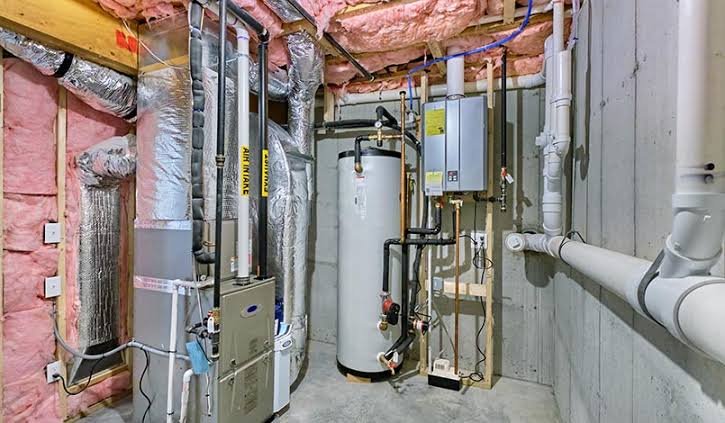
Some homeowners choose tankless units that provide continuous hot water while reducing standby energy loss. Others prefer high-efficiency storage tanks that balance familiar operation with lower energy consumption.
Choosing the right model depends on household size, daily hot water usage, available installation space, and long-term budget.
The best system isn’t always the biggest one—it’s the one properly matched to your home’s needs. Why a Nitrate Water Test Can Be the First Step Toward Better Drinking Water
Professional Installation Makes a Difference
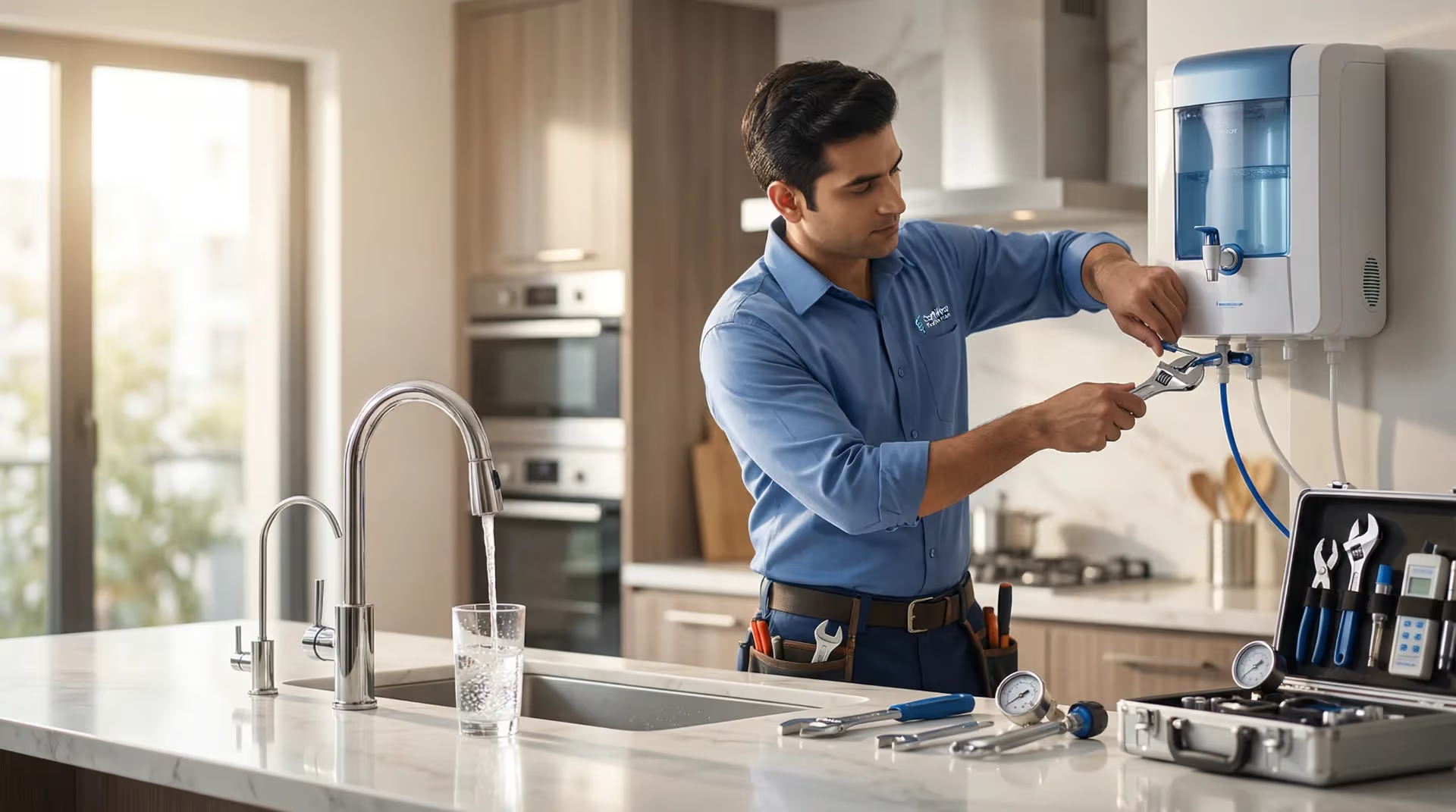
Installing a water heater involves far more than connecting a few pipes.
Gas lines, electrical wiring, venting systems, water pressure, expansion tanks, temperature controls, and local building codes all require careful attention.
Improper installation can reduce efficiency, shorten equipment life, and even create safety hazards.
Working with licensed professionals helps ensure the system operates safely while meeting manufacturer specifications and local regulations.
Proper installation also protects warranty coverage for many equipment manufacturers.
Why Waiting Too Long Can Become Expensive
Some homeowners continue repairing an aging water heater simply because it still works most of the time.
Unfortunately, repeated repairs often become more expensive than replacement. Why Your Tap Water Smells Like Chlorine and What You Can Do About It
An older system may require new heating elements one year, thermostat repairs the next, followed by valve replacements or burner repairs later.
Eventually those repair costs begin adding up.
More importantly, delaying replacement increases the risk of a sudden tank failure that can cause significant water damage inside the home.
Planning ahead gives homeowners greater control over both timing and budget.
Choosing the Right New Unit
Buying a new water heater isn’t simply about selecting the first model available.
Several factors deserve consideration, including household size, fuel type, recovery rate, tank capacity, energy efficiency ratings, warranty coverage, and future maintenance requirements.
A family of five has very different hot water demands than a retired couple.
Likewise, homes with hard water may benefit from additional treatment systems that help extend equipment life.
An experienced installer can evaluate these factors and recommend equipment that matches actual usage instead of overselling unnecessary capacity. Why Upgrading to a Modern Water Softener Is One of the Best Investments for Your Home
Simple Maintenance Still Matters
Even after replacing a water heater, regular maintenance remains important.
Annual flushing removes sediment buildup. Inspecting the pressure relief valve, checking the anode rod, monitoring thermostat settings, and watching for small leaks all contribute to longer equipment life.
These routine tasks require relatively little time compared to the years of dependable service they help preserve.
Like changing the oil in a vehicle, preventive maintenance simply makes good financial sense.
Final Thoughts
A dependable water heater quietly supports everyday life in ways we rarely appreciate until something stops working. From comfortable showers and clean dishes to fresh laundry and household cleaning, reliable hot water has become one of the comforts modern homeowners simply expect.
Fortunately, replacing a water heater doesn’t have to be a stressful emergency. By recognizing early warning signs, evaluating repair costs honestly, and planning ahead, homeowners can upgrade their systems before major failures occur.
In the end, investing in a quality replacement isn’t just about installing another appliance. It’s about improving energy efficiency, protecting your home, reducing long-term expenses, and ensuring that one of your home’s hardest-working systems continues delivering comfort every single day.