There’s something reassuring about living in a community with a municipal water supply. You turn on the faucet and expect water to be available whenever you need it. Still, that doesn’t necessarily mean you’re completely satisfied with its taste, smell, or mineral content.
Perhaps you’ve noticed a chlorine aftertaste in your morning tea. Or maybe you’ve recently moved into an older house and started wondering about the condition of its plumbing.
For homeowners hoping to improve municipal water quality at the household level, additional filtration can be a worthwhile consideration. The challenge is finding a treatment method that addresses genuine concerns without introducing unnecessary expenses.
Reverse osmosis is one option worth exploring, particularly when the main objective is improving drinking water.
Why Municipal Water May Benefit From Additional Filtration
Municipal treatment facilities work to provide drinking water that meets applicable safety requirements. However, water characteristics can vary between communities, and conditions within residential plumbing may introduce additional concerns.
Disinfectants used during municipal treatment can leave a noticeable taste or odor. Naturally occurring minerals may also influence water flavor, while aging plumbing can contribute to contamination involving certain metals.
None of this necessarily means your city water is unsafe. Sometimes, the concern is simply a matter of personal preference.
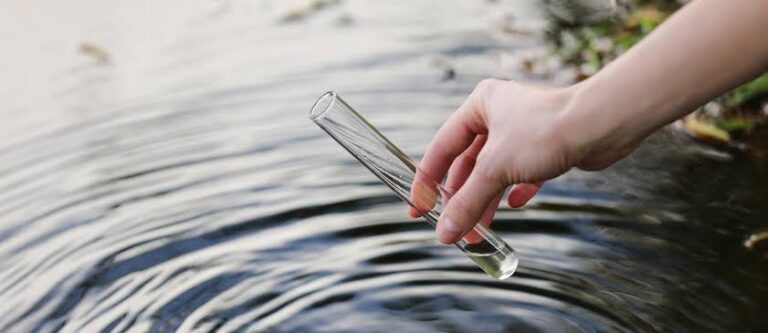
Before purchasing filtration equipment, review your water supplier’s quality report. If you suspect a problem involving your home’s plumbing, consider arranging targeted laboratory testing. Smarter Water Softening: How Modern Water Softeners Bring Efficiency and Comfort to Aledo Homes
Knowing what you’re dealing with makes it considerably easier to choose suitable treatment.
What to Expect When Installing Reverse Osmosis Equipment
The space beneath your kitchen sink probably isn’t somewhere you spend much time thinking about. Nevertheless, it’s often the ideal location for dedicated drinking water treatment.
A typical reverse osmosis system installation involves connecting filtration equipment to the cold-water supply, providing an appropriate drain connection, and fitting a dedicated drinking water faucet.
Depending on the model, the arrangement may include a storage tank, several filtration cartridges, and a semipermeable membrane.
Before installation, consider available cabinet space, incoming water pressure, and accessibility for future maintenance.
Professional installation can be particularly helpful when plumbing modifications are required or when you’re unfamiliar with the equipment.
A properly installed system should provide convenient access to treated water without interfering unnecessarily with normal kitchen activities.
How Reverse Osmosis Addresses Dissolved Contaminants
Ordinary water filters are useful, but they have limitations. A mechanical filter that captures visible particles isn’t necessarily capable of reducing substances dissolved within the water. Better-Tasting Water at Home: Simple Ways to Improve Everyday Drinking and Cooking
With RO drinking water treatment, pressure moves water through a semipermeable membrane designed to reduce various dissolved contaminants. Rejected substances are carried away through a separate wastewater stream.
Depending on the model’s independently verified capabilities, reverse osmosis may help reduce lead, nitrates, fluoride, dissolved salts, and certain other substances.
Preliminary filtration stages often help protect the membrane, while additional carbon filtration may improve taste.
However, no single treatment system should be assumed to remove every possible contaminant.
Choose equipment certified for the specific reductions you require rather than relying on general statements about water purity.
Will Filtered Water Make a Difference in Everyday Life?
The benefits of dedicated drinking water filtration often show up in surprisingly ordinary situations.
Imagine preparing a pitcher of homemade lemonade without that lingering chlorine taste. Or brewing your favorite coffee and noticing that the water no longer contributes an unwanted flavor. Understanding Your Water Quality Before Choosing the Right Treatment
For families accustomed to buying bottled water, having an appropriate filtration system at home may also make grocery shopping a little easier.
There’s less need to store bulky cases of water, and reusable bottles can be filled directly from the kitchen faucet.
Of course, everyone’s taste preferences differ. Some people enjoy water containing more dissolved minerals, while others prefer the milder flavor associated with reverse osmosis.
Certain systems include remineralization cartridges that adjust the mineral composition and taste of treated water.
Understanding Water Consumption and Long-Term Expenses
One thing homeowners occasionally overlook is that reverse osmosis requires water to carry rejected substances away from the membrane.
The amount of wastewater produced depends on equipment design, incoming water pressure, and operating conditions. The Everyday Difference Better Water Can Make in Your Home
Comparing water efficiency across different models is therefore worthwhile, especially if you’re trying to manage household utility expenses.
Consider ongoing maintenance costs as well. Replacement filters, membranes, and servicing requirements all contribute to the total cost of ownership.
A reasonably priced system with readily available replacement components may offer better long-term value than cheaper equipment that’s difficult to maintain.
Ask these questions before purchasing. It’s much easier to make an informed comparison now than to discover unexpected expenses later.
Keeping Your Drinking Water System in Good Shape
Once filtration equipment has been installed, it’s tempting to forget about it. However, even a reliable system needs occasional attention.
Preliminary filters have limited treatment capacities, and membranes eventually require replacement. Follow the manufacturer’s servicing recommendations, even if your drinking water continues tasting normal.
Keep track of replacement dates and investigate noticeable reductions in water production. A Stronger Home Starts With Paying Attention to the Details Outside
For equipment addressing health-related contaminants, appropriate follow-up testing can help confirm continued effectiveness.
Remember that pleasant-tasting water alone doesn’t establish drinking water safety.
Making a Sensible Choice for Your Household
Municipal water provides an essential service, and additional home filtration isn’t necessary for everyone. Its value depends on your existing water conditions, personal preferences, and treatment objectives.
Start by understanding your supply, compare equipment carefully, and consider how a system will fit into your everyday routine.
Better drinking water doesn’t have to involve complicated arrangements or extravagant spending.
Sometimes, it’s simply about making a thoughtful kitchen improvement that helps you enjoy the water already available in your home. From the first glass in the morning to the last cup of tea at night, that convenience can become something you genuinely appreciate.