Water treatment can sound simple until a business or facility has a water-quality problem that a standard filter can’t solve. A restaurant may need dependable water for food preparation. A laboratory might require water with very low mineral content. A commercial building could be concerned about microorganisms. In each case, the goal is different, and the treatment approach needs to reflect that.
The good news is that modern water-treatment technology offers plenty of options. The challenge is figuring out which one actually makes sense. More equipment isn’t automatically better. The right equipment is.
Start With the Water, Not the Product Catalog
Before choosing specialized treatment, it helps to understand the incoming water.
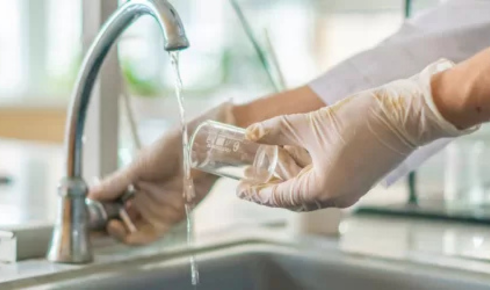
Testing can reveal characteristics such as hardness, pH, dissolved solids, sediment, iron, sulfur-related compounds, and other factors. The appropriate tests depend on the source and the intended use.
This step is easy to skip because it doesn’t feel particularly exciting. But it can prevent a lot of wasted money.
Imagine buying a treatment system designed for a problem that isn’t actually present. It happens more often than you’d think. Water testing gives you facts to work with rather than assumptions.
When Specialized Treatment Is Necessary
Basic filtration can be useful for sediment and certain taste or odor concerns, but some applications demand more specific treatment.
water sanitization & specialized treatment can address situations where conventional filtration alone isn’t enough. Depending on the application, specialized approaches may include ultraviolet technology, membrane treatment, ion exchange, oxidation, or other processes.
The correct method depends on what needs to be reduced or controlled.
For example, a system intended to manage microorganisms has a very different purpose from one designed to remove dissolved minerals. Keeping those goals separate makes treatment planning much easier.
Understanding Deionization
Some commercial and industrial applications require water with very low concentrations of dissolved ions. That’s where deionization can become useful.
Deionization uses ion-exchange resins to remove positively and negatively charged ions from water. The result can be highly purified water suitable for applications where ordinary filtered water isn’t enough.
This technology is commonly associated with settings where water chemistry needs to be tightly controlled. Depending on the application, deionized water may be used in laboratories, manufacturing, electronics-related processes, or other specialized environments.
However, deionization isn’t a universal replacement for other treatment methods. Pretreatment may be necessary, and the resin eventually needs regeneration or replacement.
As always, the application should drive the design.
Why UV Sterilization Gets Attention
Microbiological concerns require a different kind of solution. Filtration can remove particles, but it doesn’t necessarily address microorganisms in the same way.
uv sterilization uses ultraviolet light to inactivate certain microorganisms as water passes through a treatment chamber.
UV systems don’t typically remove dissolved minerals, sediment, or chemicals. Instead, they serve a specific role within a water-treatment setup.
For the technology to work properly, system sizing and water quality matter. Turbidity or excessive particles can interfere with UV performance, which is one reason pretreatment may be included.
Routine maintenance is also important. Lamps and related components have service requirements, and ignoring them can reduce system effectiveness.
Combining Treatment Technologies
Water treatment often works best as a series of stages rather than one piece of equipment doing everything.
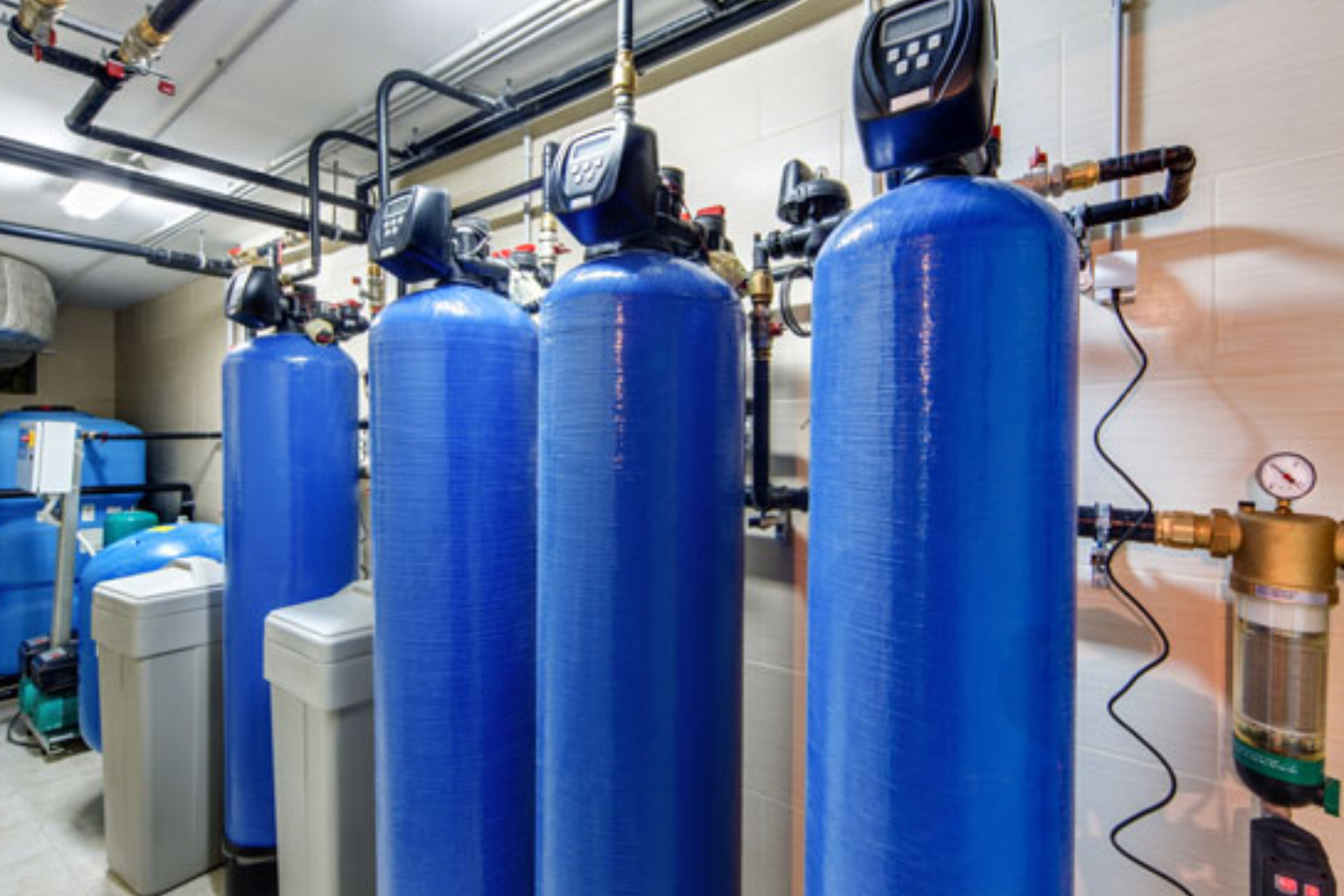
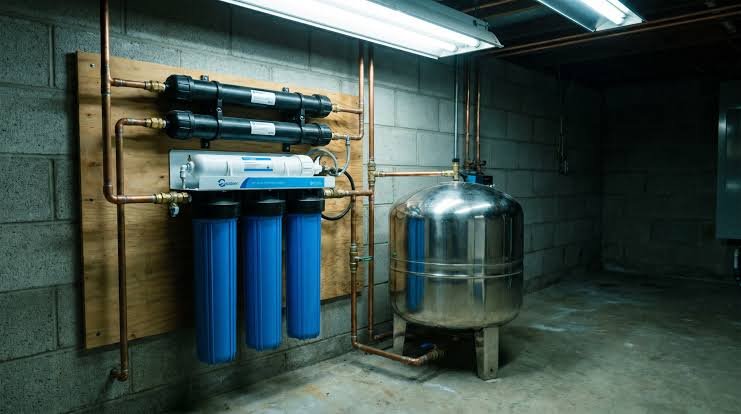
A facility might use sediment filtration first, followed by carbon treatment, then a softening stage, and finally specialized treatment such as UV or deionization.
Each stage has a job.
Pretreatment can protect more sensitive downstream equipment. Softening can reduce hardness. Carbon can improve taste and odor. UV can address microbiological concerns. Deionization can reduce ionic impurities.
This layered approach may sound complicated, but when properly designed, it can actually make the system more predictable and easier to maintain.
Capacity Matters in Commercial Applications
A treatment system must be capable of handling the facility’s real water demand.
Average usage is only part of the story. Peak demand can be much higher.
A hotel might experience a morning surge. A restaurant can have intense water usage during meal service. A manufacturing facility may need large volumes during specific production cycles.
Flow rate, pressure, daily consumption, and operating schedules should all be considered during system design.
An undersized system can struggle when demand rises, while an unnecessarily oversized system may cost more to purchase and operate.
Getting the balance right is important.
Maintenance Is Part of the Technology
Specialized water-treatment equipment requires maintenance. That’s simply part of owning it.
UV lamps need periodic replacement. Deionization systems require monitoring of resin condition. Filters need scheduled changes. Pumps, valves, controls, and other components may also require inspection.
Businesses should understand these requirements before installation.
A maintenance schedule doesn’t have to be complicated. Keep records of filter changes, service visits, water testing, and component replacements. Those records can help identify trends and prevent missed service intervals.
It may feel like paperwork, but it’s much easier than dealing with an unexpected treatment failure.
Consider the Cost of Ownership
A water-treatment system should be evaluated over its entire operating life.
Installation is only the beginning. Businesses may also have expenses related to electricity, replacement filters, resin, membranes, wastewater, professional service, and equipment repairs.
The cheapest system on day one may not be the cheapest system over several years.
When comparing options, ask about ongoing costs. How often does the system need service? What are the replacement components? How long do they typically last? Is professional maintenance readily available?
These questions can reveal the real value of a system.
Choosing Treatment With a Purpose
Specialized water treatment isn’t about collecting as many technologies as possible. It’s about solving specific water-quality problems with appropriate tools.
Start with testing. Understand the intended application. Consider flow requirements and maintenance. Then select the treatment stages that actually make sense.
For one facility, that might mean straightforward filtration and UV. For another, deionization could be essential. A third may require several technologies working together.
The best treatment system is the one that fits the water, the facility, and the people using it.
When designed thoughtfully and maintained properly, specialized treatment can provide consistent water quality without becoming a daily headache. And in a busy facility, dependable water is one of those things you don’t appreciate until you don’t have it.