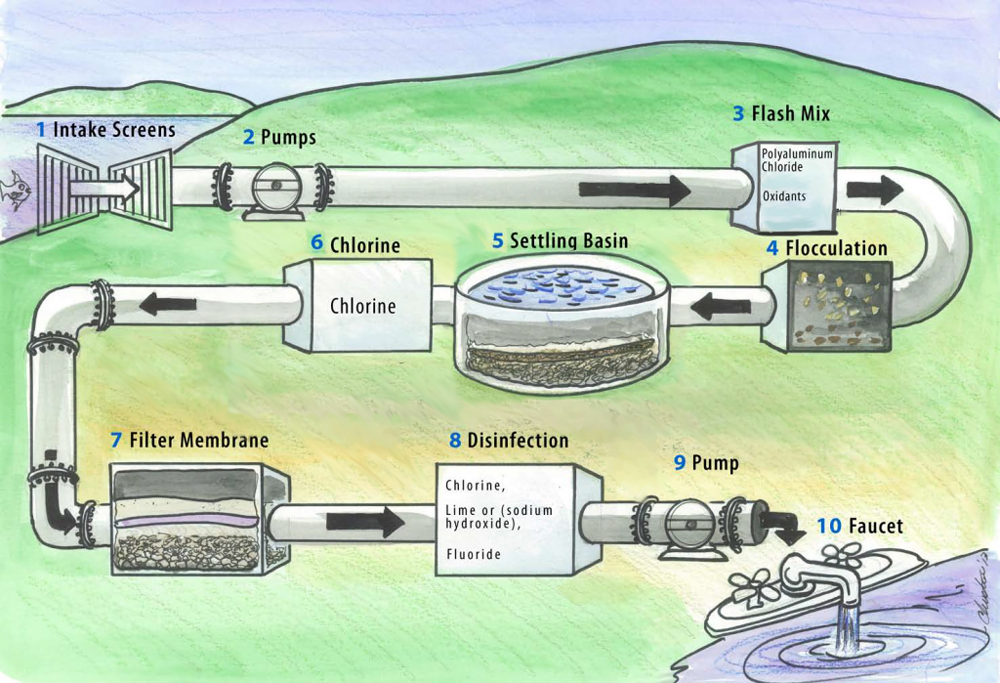
Water quality is easy to overlook when everything seems to be working normally. You turn on the faucet, fill a glass, take a shower, or start the dishwasher without thinking twice. But when water starts leaving white spots on fixtures, tastes a little odd, or creates buildup around the sink, those everyday routines can become frustrating.
For homeowners in Arizona, water quality deserves a little extra attention. Mineral-rich water is common in many areas, and understanding how to manage it can help protect appliances, simplify cleaning, and make daily water use more comfortable. Fortunately, maintaining better water quality doesn’t always require major changes. A few practical habits and the right treatment system can make a difference.
Recognizing Everyday Water Quality Problems
The first step in caring for your home’s water is knowing what to look for. Hard water often leaves chalky deposits around faucets, showerheads, and glass surfaces. Soap may not lather easily, while freshly washed clothes can feel rough or stiff. Sometimes, homeowners notice that their water heater or kettle collects mineral buildup faster than expected.
These signs don’t necessarily mean your water is unsafe to drink. Hardness is mainly associated with dissolved calcium and magnesium, which can create maintenance problems without necessarily posing a health risk. However, changes in taste, smell, color, or clarity should be investigated rather than ignored.
If you’re unsure what’s causing a problem, testing your water is a sensible place to begin. Smarter Water Softening: How Modern Water Softeners Bring Efficiency and Comfort to Aledo Homes
Quick Tips & Everyday Care for Your Water
A few quick tips & everyday care habits can help keep your water fixtures and household equipment in better condition while you figure out whether additional treatment is needed.
Start by cleaning faucets and showerheads regularly. Mineral deposits can collect around small openings, restricting water flow over time. Soaking removable fixtures in an appropriate cleaning solution can help loosen buildup, although the cleaning method should always suit the material and manufacturer’s instructions.
Other simple habits are worth adopting:
- Wipe shower glass and faucets after use to reduce mineral spotting.
- Clean kettles and coffee makers regularly to prevent scale accumulation.
- Follow recommended cleaning instructions for dishwashers and washing machines.
- Check faucet aerators occasionally for sediment or mineral deposits.
- Pay attention to sudden changes in water pressure, smell, or taste.
These small tasks may seem insignificant, but they can prevent minor problems from becoming expensive repairs. A few minutes of cleaning now and then is often easier than dealing with heavily scaled fixtures later.
Understanding Water Filtration System Information
Choosing filtration equipment becomes easier when homeowners understand what different systems are designed to do. Reliable water filtration system information can help separate practical solutions from products that make broad promises without explaining their performance.
Sediment filters are generally used to capture suspended particles such as dirt, sand, and rust. Carbon filters can help reduce chlorine, certain chemicals, and unpleasant tastes or odors. Reverse osmosis systems use a semipermeable membrane to reduce many dissolved substances, making them a popular option for drinking and cooking water.
Water softeners serve a different purpose. They typically use ion exchange to reduce calcium and magnesium, helping prevent hardness-related scale. A softener isn’t a substitute for drinking-water filtration, and a standard carbon filter may not solve hard-water problems. Enterprise Shopify Plus Replatforming and Zero Downtime Storefront Architecture
Understanding these differences can save homeowners money and help them select equipment that actually addresses their concerns.
When Should You Consider a Water Treatment System?
Sometimes regular cleaning isn’t enough. If mineral buildup keeps returning, appliances frequently develop scale, or drinking water has a persistent unpleasant taste, it may be time to consider a treatment system.
The right choice depends on the water source and the specific problem. A household struggling with hard water may benefit from a whole-home water softener. If the main concern is drinking-water quality, an under-sink reverse osmosis system may be a better fit.
Before making a purchase, consider household size, water consumption, installation requirements, filter replacement schedules, and long-term costs. A system that’s easy to maintain is often more practical than one with complicated servicing requirements. Planning a Move in Bangalore? Here’s How to Make Your Relocation Smooth and Hassle-Free
Water testing can also help identify whether the issue is hardness or something else entirely. This is particularly important for homes using private wells, where water conditions may change over time.
Water Treatment Planning & Resources FAQs
When homeowners search for water treatment planning & resources faqs, they’re often looking for straightforward answers rather than complicated technical explanations.
Does filtered water need regular maintenance? Yes. Filters need to be replaced according to manufacturer recommendations. Delaying replacement can affect performance and reduce filtration effectiveness.
Can a water softener improve water taste? Softening may change the taste by reducing hardness minerals, but it isn’t designed to remove every substance affecting taste or odor.
Is whole-house filtration necessary? Not always. Some households may only need drinking-water filtration, while others have water quality concerns throughout the plumbing system. A Smarter Approach to Forex Marketing and Outsourcing Costs
How do I know which treatment system is right for me? Start with a water test, identify your primary concern, and compare systems based on their verified capabilities and maintenance needs.
Getting answers to these questions before installation can help homeowners feel more confident and avoid buying equipment they don’t really need.
Don’t Forget Routine System Maintenance
Installing a treatment system is only part of the process. Filters, membranes, softener salt, and other components need attention at different intervals. Keeping a simple maintenance schedule can help prevent performance issues.
Check for leaks, follow replacement recommendations, and occasionally review how your system is operating. If water pressure drops noticeably or the taste changes, it may be time to inspect the filters or arrange professional service. Better-Tasting Water at Home: Simple Ways to Improve Everyday Drinking and Cooking
Regular maintenance also helps protect your investment. After all, a treatment system is supposed to make household water easier to manage, not create another headache.
Making Water Care Part of Your Routine
Better water quality often begins with small, sensible decisions. Paying attention to unusual changes, cleaning fixtures regularly, testing your water, and choosing the right treatment technology can make a meaningful difference over time.
Arizona homeowners don’t necessarily need complicated equipment to improve their water experience. They need a clear understanding of their water, practical maintenance habits, and a solution that fits their home.
When water care becomes part of your regular household routine, it’s easier to protect appliances, reduce mineral-related frustration, and enjoy the simple comfort of water that works well for everyday life.