There’s something oddly reassuring about turning on the kitchen tap and knowing clean water is ready whenever you need it. Most of us don’t give it much thought until something feels… off. Maybe your drinking water has a swimming pool smell, your morning coffee tastes different than it used to, or your shower leaves your skin feeling tighter than expected.
Those little changes often lead homeowners to ask the same question: “Why does my water smell like chlorine?”
The answer isn’t always cause for alarm. In fact, chlorine plays an important role in keeping municipal water supplies safe. Still, that doesn’t mean you have to enjoy the taste or live with the side effects forever. Understanding why chlorine is present—and when it becomes noticeable—can help you decide whether your home could benefit from improved water treatment.
Why Chlorine Is Added to Public Water Supplies
Municipal water treatment facilities disinfect water before it reaches homes. Chlorine has been used for decades because it’s highly effective at eliminating bacteria, viruses, and many harmful microorganisms that could otherwise contaminate drinking water.
Without disinfection, waterborne illnesses would be much more common.
So, when you notice a faint chlorine smell, it’s often a sign that your local water provider is actively protecting the public water supply.
The amount added is carefully regulated to meet safety standards. However, several factors can influence how noticeable that chlorine becomes once it reaches your faucet.
Why Some Homes Notice It More Than Others
Not everyone experiences chlorine in the same way.
Some people are naturally more sensitive to smells and tastes, while seasonal water treatment adjustments can also affect chlorine levels. Warm weather, heavy rainfall, maintenance work, or changes in water demand may lead utilities to temporarily modify treatment processes.
Sometimes water sits inside household plumbing for several hours overnight. When that happens, chlorine compounds can become more concentrated in the first water coming from the tap.
Although these variations are usually normal, they can make drinking water far less enjoyable.
When Chlorine Becomes More Noticeable
Many homeowners begin looking for solutions when they experience excessive chlorine in their tap water. While water providers remain within regulated safety limits, individual households may still find the smell or taste unpleasant.
The first glass drawn in the morning often carries the strongest odor because water has remained inside the home’s plumbing overnight.
Hot water may also seem stronger since warmth encourages chlorine compounds to evaporate more quickly, making the smell easier to detect during showers or while washing dishes.
Fortunately, noticeable chlorine doesn’t automatically indicate unsafe water—it simply means treatment chemicals are more obvious to your senses.
Taste Matters More Than You Might Think
Good hydration starts with water people actually enjoy drinking.
When water carries a noticeable chemical flavor, many families end up buying bottled water instead. Over months and years, those purchases can become surprisingly expensive while also creating unnecessary plastic waste.
Improving chlorine taste and odor encourages people to drink more tap water with confidence. Coffee often tastes richer, tea develops a cleaner flavor, and even soups or meals prepared with filtered water may taste fresher.
The difference isn’t dramatic in every home, but for many households it’s immediately noticeable.
Chlorine Affects More Than Drinking Water
It’s easy to think chlorine only matters when filling a glass.
In reality, every shower, bath, laundry cycle, and dishwasher load also uses treated municipal water.
Some homeowners report dry-feeling skin after bathing or hair that seems more difficult to manage. While many factors influence skin and hair health, long-term exposure to chlorinated water may contribute to that feeling for certain individuals.
Laundry can also benefit from improved water quality. Fabrics often retain softness better when harsh chemical residues are reduced.
These aren’t medical claims—simply everyday observations many homeowners make after installing filtration systems.
Simple Ways to Reduce Chlorine at Home
The good news is that reducing chlorine doesn’t always require major plumbing changes.
For some households, activated carbon filters installed on kitchen faucets provide noticeable improvements in drinking water. Refrigerator filters also help in many situations.
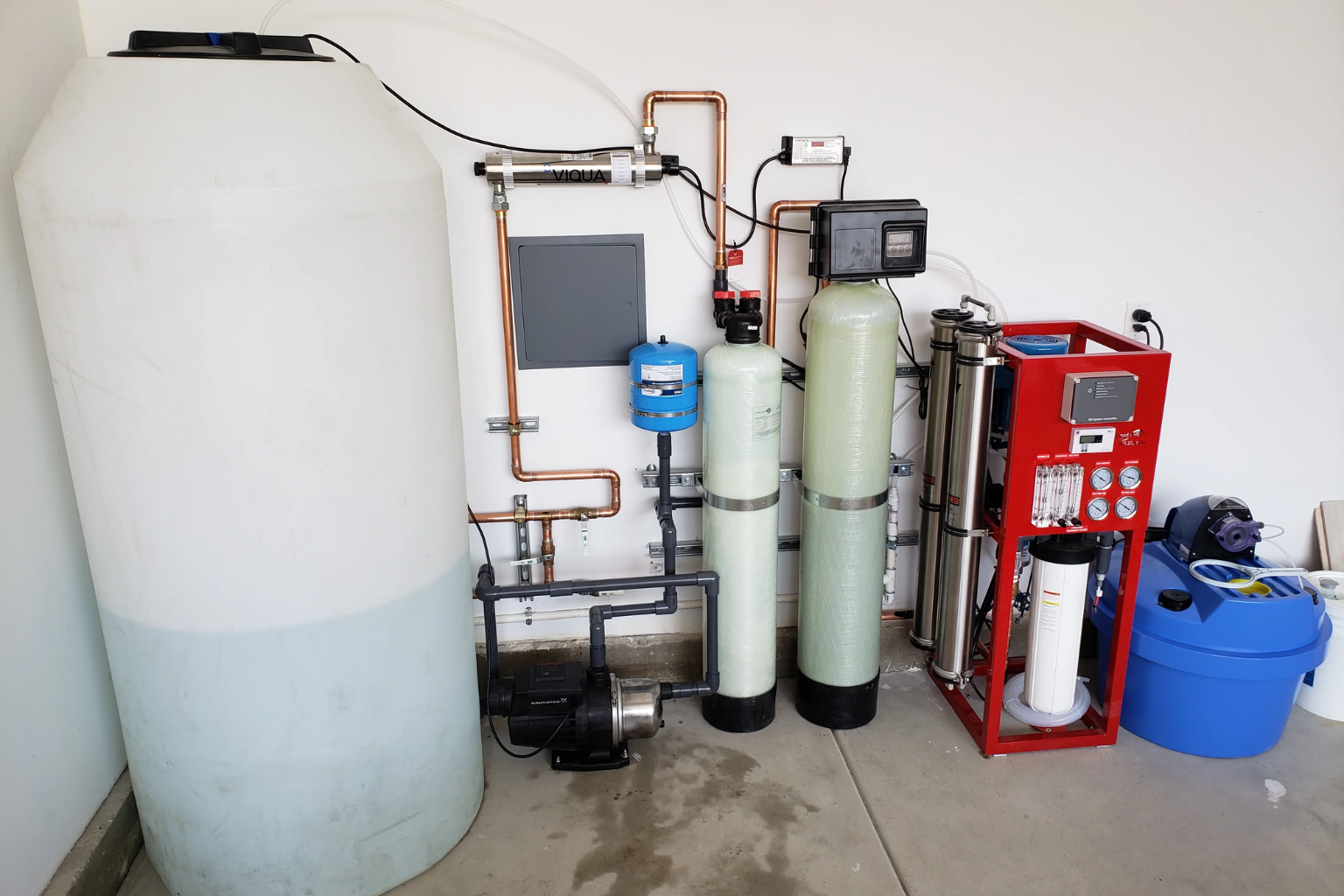
Families wanting cleaner water throughout the entire home often choose whole-house filtration systems. These systems treat water before it reaches showers, washing machines, bathroom sinks, and kitchen taps.
The right solution depends on your home’s water supply, daily usage, and personal preferences.
Professional water testing can help identify exactly what’s present before selecting equipment.
Better Water Makes Everyday Routines More Enjoyable
One of the interesting things about water quality is how many daily experiences it quietly influences.
Morning coffee.
Freshly brewed tea.
Cooking pasta.
Making baby formula.
Taking a shower.
Even watering indoor plants.
When water smells and tastes cleaner, people naturally enjoy using it more. It’s one of those improvements that rarely attracts attention after installation because it simply becomes part of everyday life.
Sometimes the best home upgrades are the ones that quietly disappear into your routine.
Should You Be Concerned About Chlorine?
In most cases, municipal chlorine levels remain well within public health guidelines established by local regulatory authorities.
However, that doesn’t mean every homeowner enjoys the smell or taste.
If chlorine suddenly becomes much stronger than usual, contacting your local water utility is always a good first step. Temporary maintenance, seasonal adjustments, or flushing activities may explain the change.
If the taste has bothered your family for years, improving your home’s filtration may provide a long-term solution that’s both practical and cost-effective.
Understanding your water is always better than guessing.
Cleaner Water Can Change More Than Just Taste
People often think of water filtration as a luxury, but for many homeowners it’s simply about making daily life more comfortable.
Water that tastes fresher encourages better hydration. Cooking becomes more enjoyable. Showers feel more refreshing, and fewer bottled water purchases reduce household waste over time.
Small improvements add up.
Whether you choose a simple faucet filter or a whole-home treatment system, investing in better water quality often provides benefits that extend well beyond the kitchen sink.
Every Glass Starts With Confidence
Safe drinking water is something many people take for granted, and that’s a good thing. Modern municipal treatment systems work incredibly hard to deliver reliable water every day.
Still, there’s nothing wrong with wanting water that not only meets safety standards but also tastes, smells, and feels better throughout your home.
By understanding why chlorine is present and exploring practical filtration options, homeowners can enjoy cleaner, fresher water without losing the protection that proper disinfection provides.
At the end of the day, water should be something you look forward to drinking—not something you hesitate to pour into your glass.