Water is something most of us use without a second thought. We turn on the tap, fill a glass, cook dinner, and trust that what comes out is safe. But in recent years, concerns about certain industrial chemicals in our water supplies have made many people look a little closer at what’s flowing through their pipes. Among these concerns are PFAS compounds, a group of chemicals that have gained attention because of their persistence and widespread presence.
The conversation around pfas in water has grown because these substances can be found in many environments, from rivers and groundwater to treated drinking water systems. Understanding where they come from, why they matter, and what steps households can take is becoming an important part of protecting long-term water quality.
What Are PFAS and Why Are They a Concern?
PFAS stands for per- and polyfluoroalkyl substances. These are man-made chemicals that have been used for decades in products designed to resist heat, stains, grease, and water. You may have encountered them in items like non-stick cookware, waterproof clothing, food packaging, stain-resistant carpets, and certain industrial materials.
The problem is that these chemicals are extremely stable. They do not break down easily in nature, which is why they are often called forever chemicals . Over time, PFAS can build up in the environment and move through soil and groundwater, eventually reaching sources of drinking water.
Scientists and health organizations have studied PFAS exposure because some types of these chemicals have been associated with potential health concerns. Research continues, but the growing awareness has encouraged communities, water providers, and homeowners to take action.
How Do PFAS Enter Drinking Water Supplies?
PFAS contamination usually comes from industrial activities, manufacturing facilities, firefighting foam, and waste disposal sites. Certain industries historically used PFAS because of their useful chemical properties, but improper handling or disposal allowed them to spread into surrounding environments.
Firefighting foam used at airports, military facilities, and training areas has been one known source of PFAS contamination. When these chemicals enter the ground, they can travel with water and eventually reach underground aquifers or surface water sources.
For homeowners, the biggest concern is often whether their local water supply has been tested. Public water systems in many areas are increasing monitoring efforts, but private well owners may need to arrange testing themselves because wells are not always regulated in the same way.
Testing Your Water Is the First Step
If you are concerned about PFAS, guessing is rarely helpful. The most practical first step is testing your water through a qualified laboratory. Standard home water tests may check for hardness, chlorine, or bacteria, but PFAS testing requires specialized methods.
A professional water test can identify whether PFAS compounds are present and provide information about concentration levels. This helps homeowners make informed decisions instead of spending money on solutions they may not need.
Testing is especially worth considering if you live near industrial areas, airports, military bases, manufacturing facilities, or locations where groundwater contamination has been reported.
Effective Ways to Treat PFAS-Contaminated Water
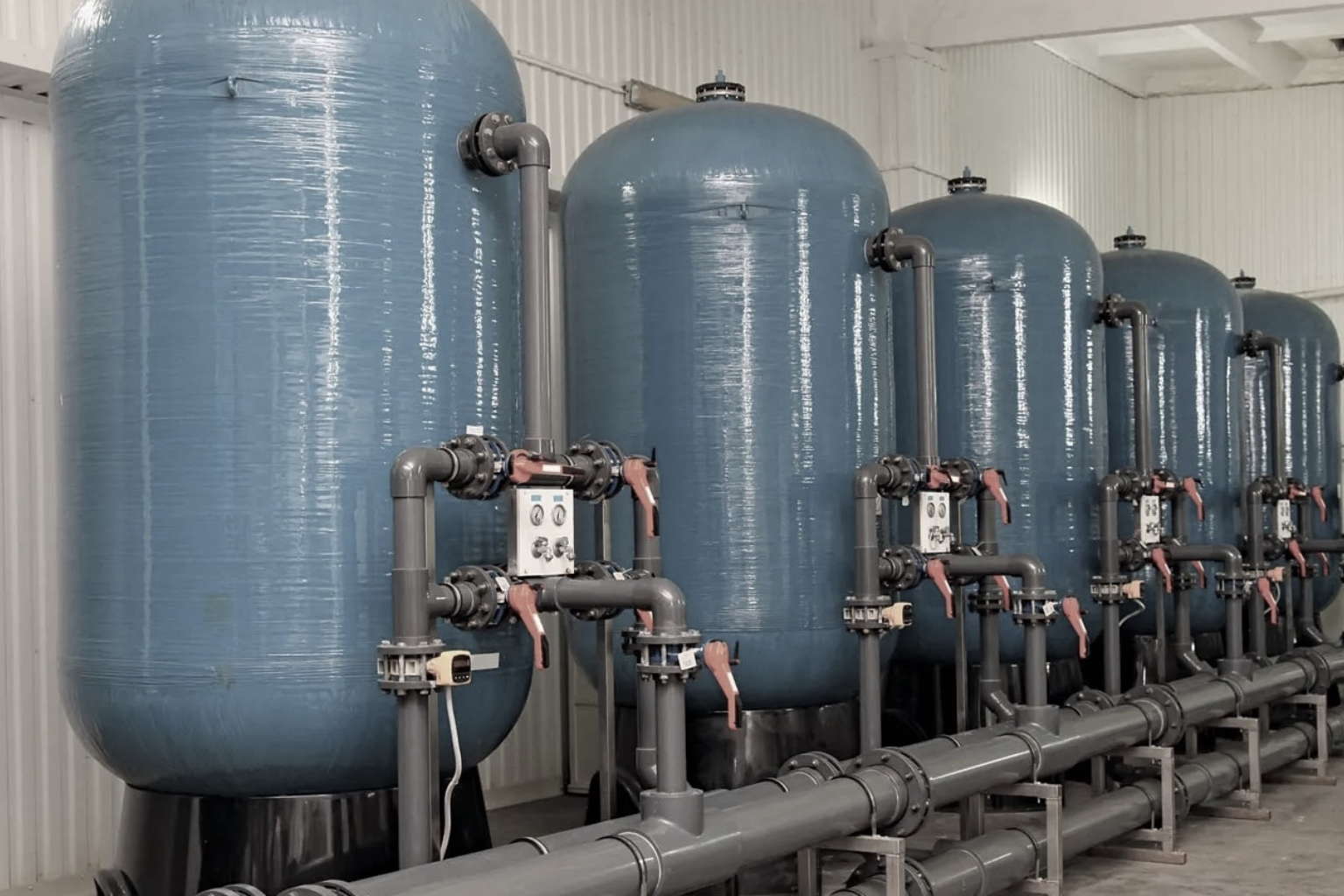
The good news is that homeowners are not completely powerless. Several water treatment technologies can help reduce PFAS levels when properly selected and maintained.
Activated carbon filtration is one commonly used approach. Certain carbon filters can capture PFAS compounds as water passes through the filter media. However, filter quality, contact time, and replacement schedules matter. A poorly maintained filter may become less effective over time.
Reverse osmosis systems are another option, especially for drinking and cooking water. These systems use a specialized membrane to remove many unwanted contaminants. While they can be highly effective, they usually treat water at specific points of use rather than the entire home.
For people looking to reduce pfas exposure, combining proper testing with the right filtration system is often the smartest approach. There is no universal solution because every water source has different characteristics.
Everyday Choices That Can Help Lower Exposure
While water treatment is important, small lifestyle choices can also make a difference. Avoiding unnecessary products made with PFAS can help reduce demand for these chemicals. Look for alternatives to stain-resistant treatments, be cautious with certain grease-resistant food packaging, and choose products that clearly mention PFAS-free materials when possible.
It is also helpful to stay informed about local water reports. Many communities publish annual water quality information, giving residents insight into what is being monitored and how their water supply is managed.
A Cleaner Water Future Starts With Awareness
PFAS has become a major topic in water quality discussions because these chemicals remind us that protecting our water requires ongoing attention. The challenge is not just removing contaminants after they appear, but also understanding how everyday products and industrial practices affect the environment.
For homeowners, the best approach is simple: learn about your water source, test when necessary, and choose treatment options based on real information. Clean water is not something most people think about until there is a problem, but a little awareness today can prevent bigger concerns tomorrow.
Water quality is a shared responsibility. With better testing, smarter choices, and improved filtration technology, communities can continue moving toward safer and healthier drinking water for everyone.