There’s something comforting about turning on the faucet and watching clear water pour out. It feels reliable — predictable, even. For most of us, city water is just part of life, like electricity or Wi-Fi. You don’t really think about it unless something goes wrong.
But here’s the quiet truth: even water that meets safety standards can still carry things that affect taste, smell, and daily comfort.
It’s not about fear or alarm. It’s about understanding what’s actually in the water we use every day — and why so many homeowners are starting to pay closer attention to it.
The Journey City Water Takes Before Reaching Your Home
Water doesn’t simply appear at your tap. It travels through a long and complicated path.
First, it’s treated at municipal facilities. Then it moves through miles of pipes — some modern, some decades old — before entering your home’s plumbing system.
Along that journey, it can pick up minerals, sediments, or residual treatment chemicals.
This doesn’t necessarily mean the water is unsafe. In fact, most city systems do an excellent job maintaining regulatory standards.
But those standards focus on safety, not always on taste, odor, or long-term plumbing effects.
That’s where additional treatment often becomes valuable.
Why Taste and Smell Matter More Than We Think
Many people first notice water quality issues through subtle sensory changes.
Maybe the water tastes slightly chemical. Maybe it has a faint odor when first turned on. Sometimes it leaves spots on dishes or stains in sinks.
These aren’t emergencies — they’re everyday annoyances.
Yet over time, they can affect comfort and even influence how much people trust their tap water.
It’s one reason so many households begin exploring ways to improve water quality beyond municipal treatment.
Understanding the Role of Chlorine in City Water
Chlorine plays an essential role in public water systems.
It acts as a disinfectant, preventing microbial growth during distribution.
Without chlorine, water could become unsafe while traveling through pipelines.
But chlorine also has a downside.
It can affect taste and smell, and some people are sensitive to its presence, especially in showers or cooking.
That’s why chlorine removal often becomes one of the first goals for homeowners looking to improve water quality.
Activated carbon filtration is one of the most effective methods for addressing this concern.
How Sediment Enters Household Water
Sediment may come from several sources.
It can originate from natural minerals, aging infrastructure, or disturbances in water supply lines.
Even small amounts of sediment can cause issues over time.
Particles can accumulate in appliances, reduce water heater efficiency, and leave residue on fixtures.
This is where sediment reduction systems play an important role.
By capturing particles before they enter household plumbing, these systems help protect both water quality and home infrastructure.
The Rise of Filtration in Urban Homes
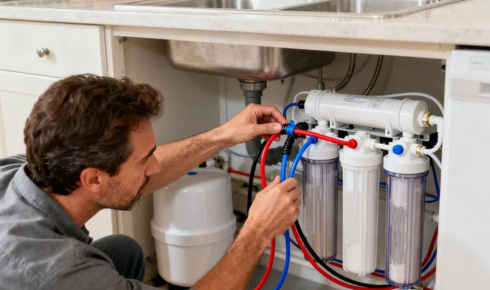
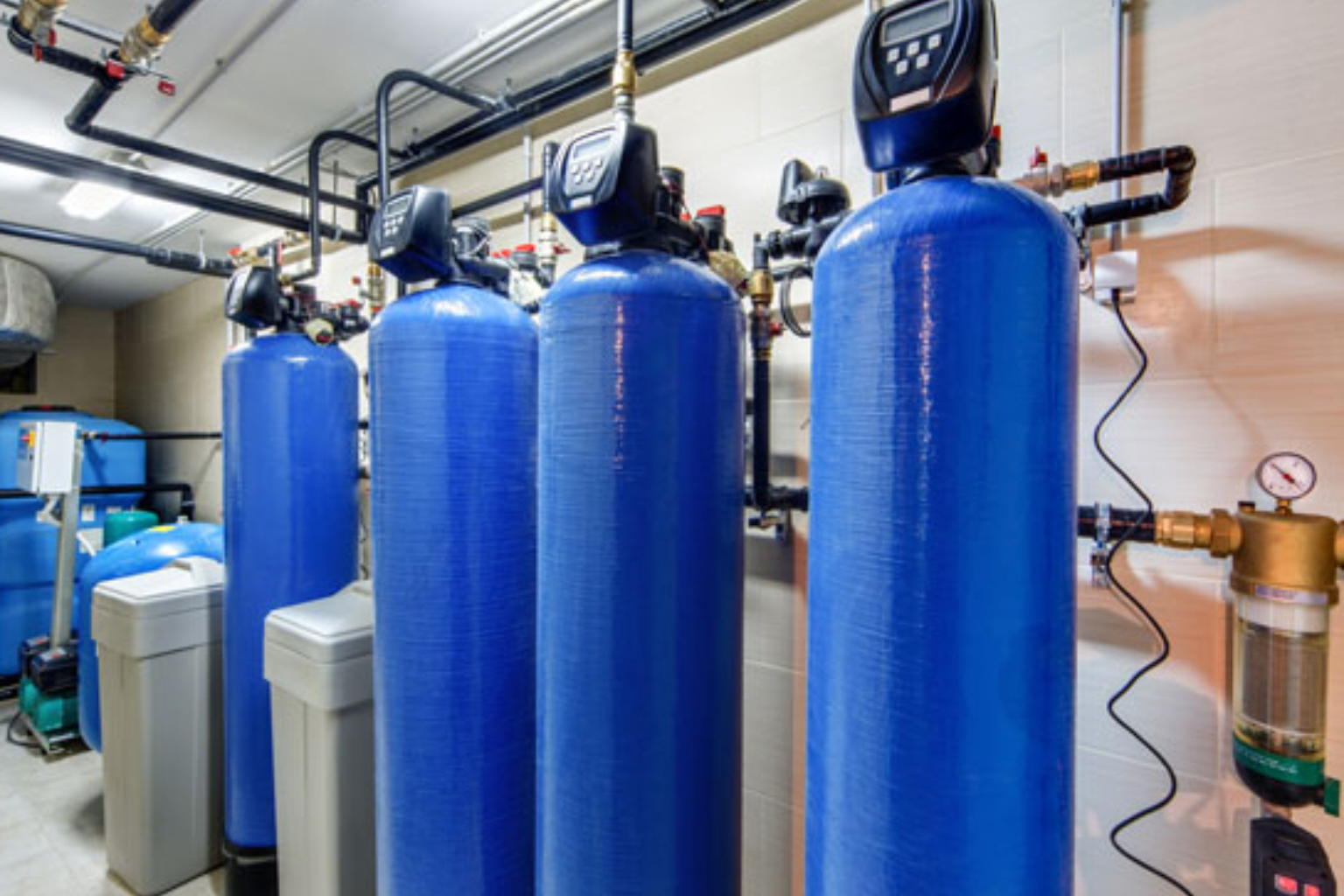
As awareness grows, more homeowners are turning toward city water filtration systems to enhance water quality.
These systems don’t replace municipal treatment — they complement it.
They address specific concerns related to taste, odor, and infrastructure protection.
Filtration systems often combine multiple stages, including sediment filters, carbon media, and sometimes advanced purification technologies.
This layered approach ensures comprehensive improvement.
How Better Water Improves Everyday Life
Improving water quality doesn’t create dramatic changes overnight.
Instead, the benefits appear quietly in daily routines.
Cooking feels easier when water tastes fresh. Coffee and tea often improve noticeably.
Showering becomes more comfortable without chemical odors.
Laundry may feel softer, and dishes come out clearer.
These small improvements accumulate into a noticeable difference in overall home comfort.
Protecting Appliances and Plumbing Systems
Water quality also affects home maintenance costs.
Minerals and sediment can accumulate inside pipes and appliances, reducing efficiency and lifespan.
Water heaters, washing machines, and dishwashers often experience the most impact.
By improving water quality, homeowners can reduce scale buildup, prevent clogging, and extend appliance longevity.
Over time, this often leads to significant cost savings.
Environmental Benefits of Better Water Treatment
Enhanced filtration can also support environmental sustainability.
When homeowners trust their tap water, they’re less likely to rely on bottled water.
This reduces plastic waste and lowers environmental impact.
Efficient filtration systems also minimize chemical usage while maintaining water safety.
These environmental benefits align with broader efforts toward responsible resource management.
Choosing the Right Filtration Approach
Selecting a water filtration system requires understanding specific household needs.
Factors such as local water composition, pipe age, and usage patterns all influence system design.
Professional water testing often provides valuable insights into water quality characteristics.
With accurate information, homeowners can choose targeted solutions that balance effectiveness and cost.
This personalized approach ensures long-term satisfaction.
The Emotional Side of Water Quality
There’s also an emotional dimension to water quality that often goes unnoticed.
Knowing that your water tastes clean and feels reliable creates a sense of comfort.
It removes small daily frustrations and builds confidence in something essential.
For families, especially those with children, this reassurance can be particularly valuable.
Clean water isn’t just about chemistry — it’s about peace of mind.
Final Thoughts: Seeing City Water in a New Light
City water systems provide a remarkable public service, delivering safe water to millions of homes every day.
But safety standards don’t always address comfort, taste, or long-term infrastructure concerns.
By understanding the journey water takes and exploring filtration options, homeowners can transform everyday water into something more reliable, enjoyable, and efficient.