You know that stubborn white ring around your faucets? Or that cloudy film on your shower doors that just won’t go away no matter how much elbow grease you throw at it? Yeah, that’s not just a housekeeping oversight. That’s your water giving you attitude.
See, not all water is created equal. Some of it flows soft and friendly, while other water—well, it brings baggage. If you’ve been wrestling with dingy dishes, rough laundry, or flaky skin after showers, chances are good you’re dealing with the dreaded culprit: hard water.
Let’s unpack what that means, why it matters more than most people think, and what you can actually do about it without breaking the bank or losing your sanity.
What Even Is Hard Water, Anyway?
Hard water isn’t some weird mutation—it’s just water that’s picked up a heavy load of minerals (mainly calcium and magnesium) on its journey from underground aquifers to your tap. These minerals aren’t dangerous to drink, but they do throw a wrench in a whole bunch of everyday things.
Your soap doesn’t lather right. Your shampoo leaves your hair feeling weird. Your washing machine quietly ages five years faster than it should.
And it’s not just about inconvenience. Over time, those minerals build up inside your pipes, your appliances, and even on your skin. Left unchecked, it turns into a silent destroyer of homes.
The Annoying—and Expensive—Side Effects
Let’s talk about what scale buildup actually means in the real world. It’s not just a little crust around your faucet. It’s inside your hot water heater, making it work twice as hard. It’s creeping through your dishwasher, reducing its life. It’s on your showerhead, shrinking the flow until it’s more of a sad trickle than a proper rinse.
This buildup acts like cholesterol in your plumbing—slow, subtle, and eventually problematic. You won’t see it at first, but your utility bills might start climbing. Your appliances might mysteriously need replacing sooner than expected. Your water pressure might take a noticeable dip.
And guess what’s to blame? Yep. Hard water. Again.
Let’s Talk Soap (Because It’s Not Working Like It Should)
One of the weirdest things about hard water is how it messes with your soap. That rich, bubbly lather we all love? Hard water says nope. Instead, it leaves behind this filmy residue that clings to everything—your tub, your laundry, your skin.
Welcome to the world of soap scum issues. That frustrating film you keep wiping off your glass shower door? That’s not dirt. That’s soap reacting with minerals in the water and turning into a chalky mess. And your body feels it too—dry skin, dull hair, and that sticky feeling like the soap never fully rinsed off.
You’re not imagining it. It’s the water. And no, fancier shampoo won’t solve it.
The Laundry Struggle Is Real
Ever pull your clothes out of the wash and wonder why they still feel stiff? Or why whites seem to go gray after just a few cycles? Hard water doesn’t just bully your bathroom—it hijacks your laundry room too.
The minerals in hard water react with detergent and reduce its effectiveness. So you end up using more detergent, running more loads, and still not getting the fresh, clean results you’re hoping for. Over time, clothes wear out faster, colors fade, and fabrics lose their softness.
It’s a slow fade, both literally and figuratively.
Okay, So What Can You Actually Do About It?
Good news—you’re not powerless here. There are a few ways to tackle hard water, depending on your budget and how deep the problem runs.
- Install a Water Softener
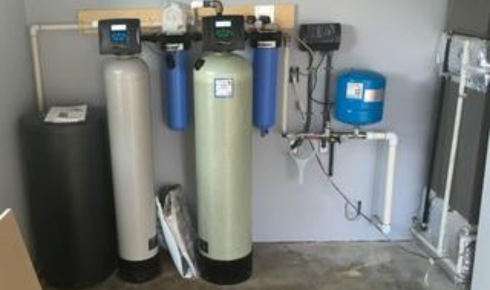
This is the gold standard. Water softeners replace calcium and magnesium with sodium or potassium, preventing all that nasty buildup. It’s a bit of an investment up front, but the savings in plumbing repairs, appliance longevity, and cleaning products add up fast. - Use Hard Water Detergents & Rinses
If a softener’s not in the cards, try switching to products designed to work in hard water. Some dishwashing and laundry detergents are formulated to cut through mineral interference. - Vinegar Rinse for Appliances
A monthly vinegar rinse in your dishwasher or washing machine can help combat mineral buildup. It’s simple, cheap, and surprisingly effective. - Showerhead Filters
Not ready for a whole-house solution? Try a shower filter. It won’t soften all your water, but it can make a huge difference in how your skin and hair feel.
Final Thoughts: Don’t Let Your Water Win
It’s easy to ignore hard water because the damage doesn’t scream at you all at once. But over months (or years), it chips away at your home—silently, steadily, and annoyingly.