Water is one of those things we tend not to think about—until something goes wrong. Maybe your tap suddenly smells off, or the pressure dips mysteriously. Maybe you’re getting cloudy water from your fancy reverse osmosis setup. Or worse—nothing’s coming out at all. That’s when the quiet hum of your home’s water system turns into a loud, “Hey! I need attention!”
The truth is, even the most reliable filtration or purification system has its off days. And let’s face it: most of us aren’t jumping out of bed in the morning excited to tinker with plumbing. But ignoring small water issues can spiral into big, messy, expensive ones. So let’s take a human-sized look at how to handle hiccups in your home’s water system—without losing your mind or your Saturday afternoon.
The Trouble with Delaying Fixes
Here’s the deal. A leak that seems tiny can waste hundreds of gallons over a few weeks. A filter you forgot to replace might let contaminants slip through, impacting your health and damaging your appliances. You don’t need to become a full-time handyman to avoid these issues—you just need to know what to look for and when to act.
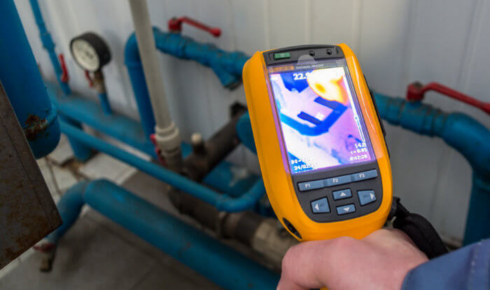
Water system repair doesn’t always mean a full-blown emergency. Sometimes it’s as simple as replacing a worn-out O-ring or tightening a connection. Other times, it might involve calling a pro because the pressure tank is acting up or a valve won’t close. What matters is not ignoring the signs. If your water smells weird, tastes metallic, or your system is making noises like it’s brewing coffee—trust your gut. Something’s not right.
The Overlooked Hero: Filters
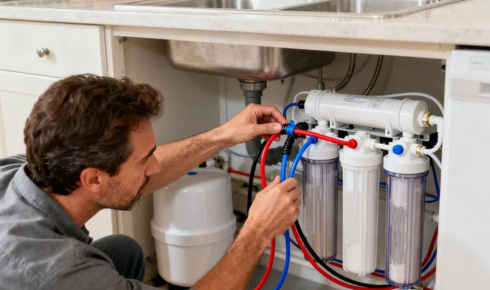
We love our water filters—until we forget they exist. Most systems, whether it’s a whole-house setup, under-sink RO unit, or even a refrigerator filter, rely on regular maintenance to keep performing. That means keeping tabs on when your next filter changes are due.
Let’s be real—life gets busy. The sticker on the filter casing fades, the calendar reminder gets snoozed, and before you know it, it’s been a year. And you’re still drinking through a filter meant to last six months. Old filters don’t just stop working—they can actually become breeding grounds for bacteria or leech back trapped contaminants.
Here’s a good rule of thumb: If you can’t remember the last time you changed your filter, it’s probably time to do it now. And if you’re unsure which one to get, many brands now include QR codes or online tools to match your system with the right replacement. No guessing needed.
The Untouched Zone: RO System Sanitation
Reverse osmosis (RO) systems are the gold standard in water purification for a reason. They remove tiny particles, including heavy metals, bacteria, and more. But people often overlook one critical part of the puzzle: cleaning the darn thing.
RO system sanitation is something that should be done at least once a year. And no, it’s not just a matter of rinsing out the tank. Proper sanitation involves using a food-grade disinfectant, flushing out all chambers, replacing pre- and post-filters, and making sure there’s no buildup lurking in the system. If this sounds like overkill, think of your RO unit like a refrigerator. You wouldn’t leave it uncleaned for five years, right? (At least… let’s hope not.)
Sanitation not only improves water quality—it extends the life of your RO system and saves you money long-term. Most kits are DIY-friendly, or you can call in a specialist once a year and knock it out in under an hour.
How to Stay Ahead of the Curve
The smartest water system owners are proactive, not reactive. Here are a few easy wins to keep your water quality and system health in check:
- Set reminders for filter changes on your phone or calendar
- Keep a small logbook or sticky note inside your filter cabinet with last service dates
- Watch for pressure changes, odd smells, or cloudy water
- Don’t ignore leaks—small drips often lead to big mold problems
- Sanitize RO systems every 12 months, or sooner if water tastes off
When to Call a Pro (And Not Feel Bad About It)
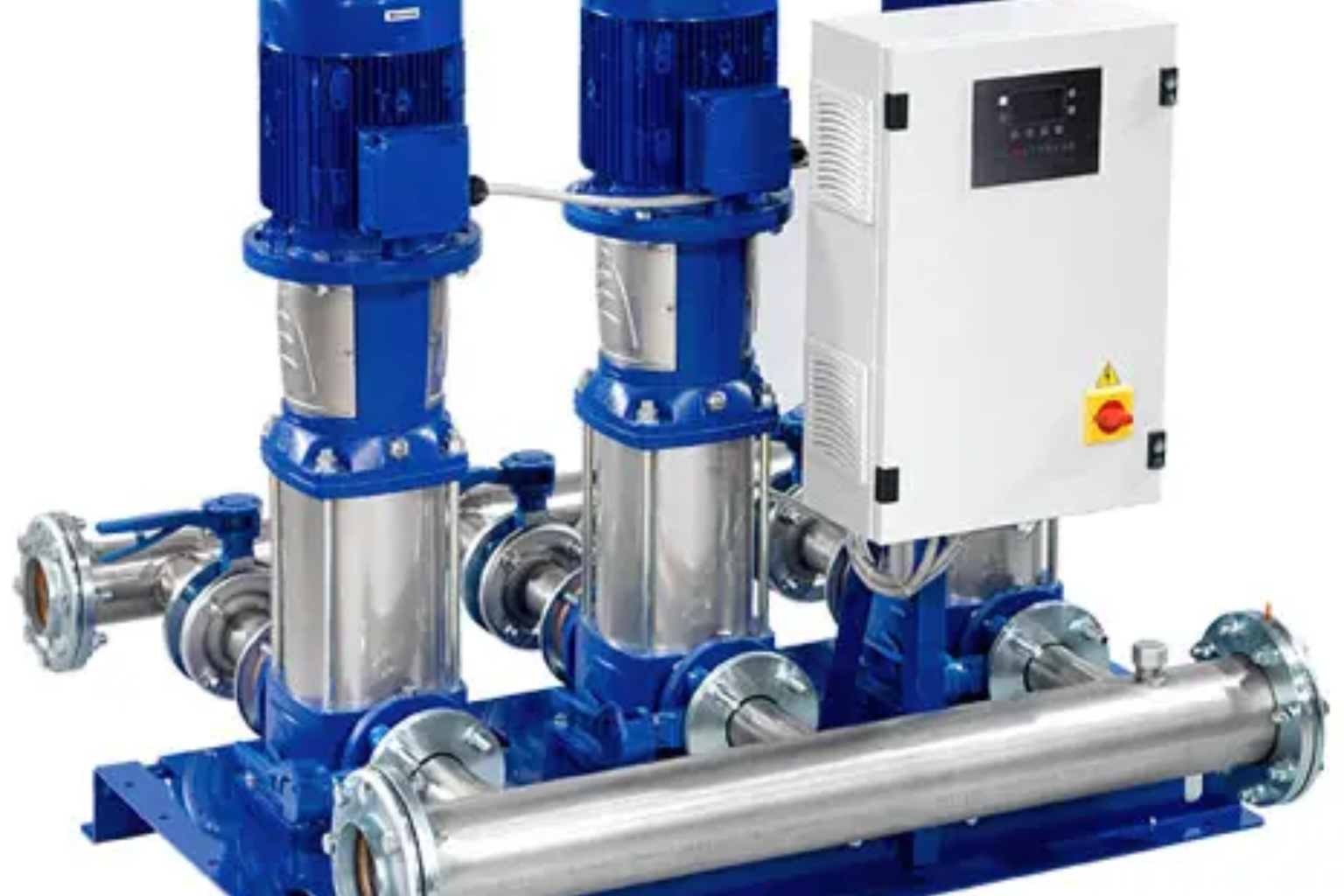
There’s no shame in waving the white flag and calling in a professional. If you’re dealing with complex systems, water softeners, booster pumps, or odd clunking sounds you can’t diagnose—get help. Most pros can spot a problem in 5 minutes that might take you 3 YouTube videos and a trip to the hardware store.
Also, local technicians are often familiar with your region’s water challenges—like hard water, high sediment levels, or chlorination issues—and can recommend tweaks to your setup that actually work in your neighborhood.
The Bottom Line
Water might be one of the simplest elements in our daily life, but keeping it clean and flowing properly takes a bit of effort. The good news? With the right habits, it doesn’t have to be stressful.
Whether you’re replacing a worn-out filter, tackling that overdue RO cleaning, or fixing a stubborn leak—each little task adds up to better health, lower utility bills, and longer-lasting equipment. Don’t wait for your water system to break down to give it attention. Show it some love regularly, and it’ll return the favor in crystal-clear, safe, delicious water every single day.