There’s something oddly comforting about filling a glass straight from your kitchen tap. It’s simple. Automatic. Almost thoughtless.
And yet, more people are starting to think about it.
Maybe it begins with taste. A slight chlorine afternote. A mineral edge that lingers. Or maybe it’s just curiosity — reading about dissolved solids, microplastics, emerging contaminants. Whatever the reason, homeowners are paying closer attention to what’s actually in their water.
Not in a dramatic, panic-driven way. More in a thoughtful, “Is there a better way?” kind of way.
Why Basic Filtration Isn’t Always Enough
Most municipal water supplies meet regulatory safety standards. That’s important. But “meets standards” doesn’t necessarily mean optimized for taste, texture, or long-term comfort.
Standard refrigerator filters or pitcher filters can help reduce some surface-level issues. They’re convenient and affordable. But they often address only a narrow range of contaminants.
For those seeking deeper purification, reverse osmosis has become one of the most recognized options.
This technology pushes water through a semi-permeable membrane that blocks many dissolved solids, including certain heavy metals, nitrates, and other microscopic impurities. What’s left behind is highly purified water that many describe as cleaner and more neutral in taste.
It’s not just about safety. It’s about refinement.
When water tastes consistently fresh, people tend to drink more of it. And that small shift can make a noticeable difference in daily habits.
The Power of Layered Protection
While reverse osmosis gets a lot of attention, it rarely works alone.
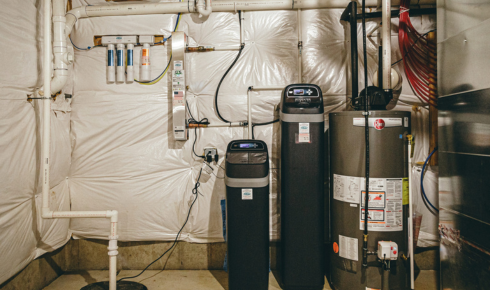
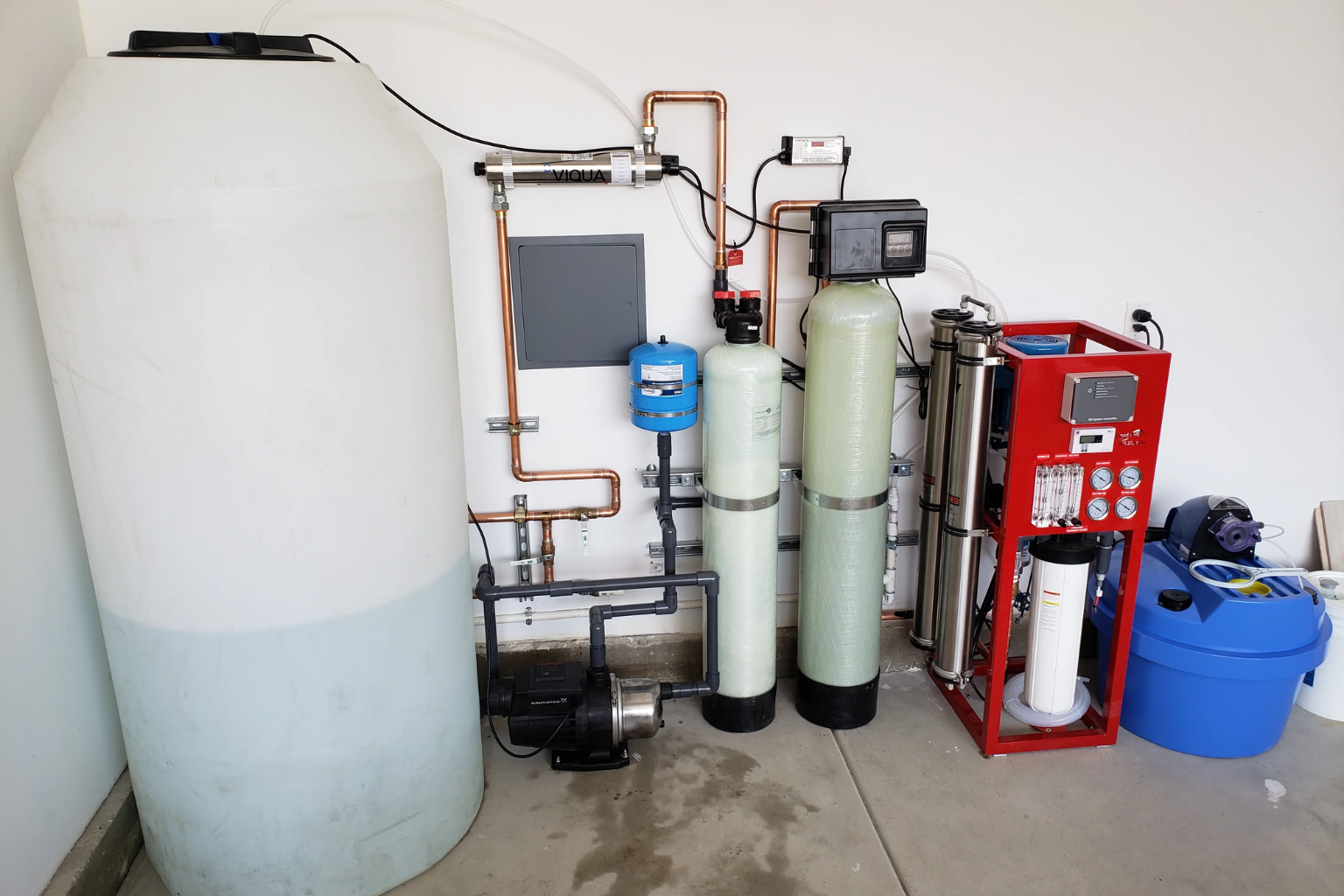
Most high-quality systems rely on multi-stage filtration. That means water passes through several filters before reaching your glass — typically including sediment filters, carbon filters, and the RO membrane itself.
Each stage has a specific role.
Sediment filters capture larger particles like sand or rust. Carbon filters reduce chlorine and improve taste and odor. The RO membrane tackles dissolved impurities at a molecular level.
Layering these stages ensures that no single filter is overwhelmed. It also extends the lifespan of each component, because contaminants are removed progressively rather than all at once.
Think of it like washing your car. You wouldn’t skip straight to polishing without rinsing off the dirt first. The process works best in sequence.
Taste, Texture, and Everyday Experience
There’s something subtle but satisfying about crystal-clear water.
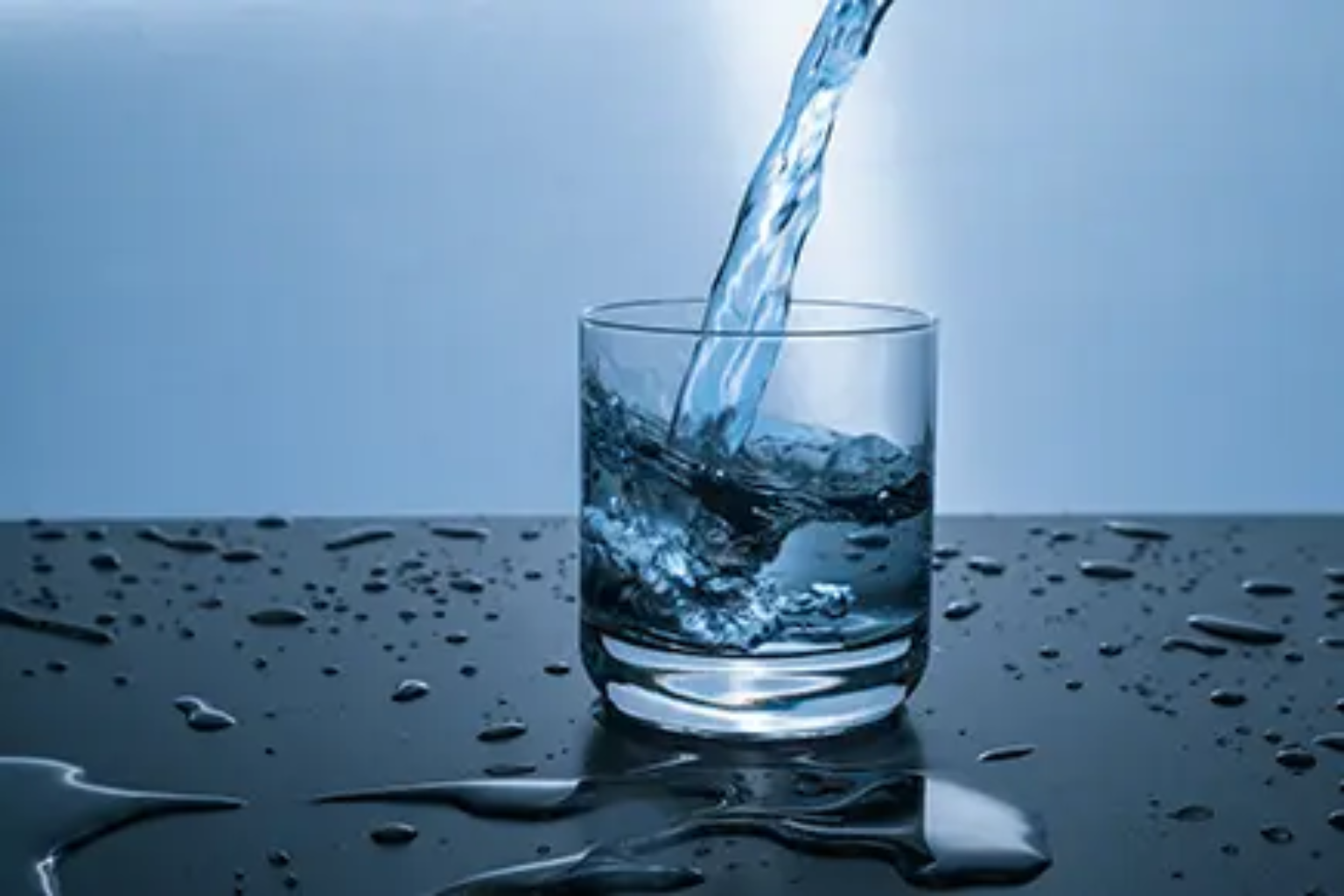
It pours cleanly. It looks bright in a glass. It tastes neutral — not flat, not metallic, not chemically. Just… clean.
You might notice it most in coffee or tea. Without competing mineral flavors, subtle notes come through more clearly. Ice cubes freeze clearer. Soups and broths taste balanced.
These aren’t dramatic transformations. They’re refinements.
But refinements matter.
Water is used in cooking, baking, and beverage preparation daily. Improving its quality quietly enhances those experiences.
Practical Considerations
Installing a reverse osmosis system typically involves placing a compact unit under the kitchen sink. A small dedicated faucet is added for dispensing purified water. The system connects to your existing plumbing and includes a storage tank to maintain steady pressure.
Maintenance is straightforward but important.
Pre-filters usually require replacement every six to twelve months, depending on usage and water quality. RO membranes may last several years. Ignoring replacement schedules can reduce performance, so consistency pays off.
It’s not high maintenance — just mindful ownership.
Addressing Common Concerns
Some people worry that reverse osmosis removes too much — including beneficial minerals.
It’s true that RO systems reduce mineral content significantly. For those who prefer mineral-rich taste, remineralization filters can be added to reintroduce small amounts of calcium or magnesium after purification.
Water treatment isn’t about rigid rules. It’s about personal preference and balance.
Others question wastewater output. Modern systems are increasingly efficient, reducing waste ratios compared to older models.
Technology continues to evolve, making systems more sustainable than ever before.
Is It Necessary?
That’s the honest question.
Not every household needs reverse osmosis. If your water tastes good and testing reveals minimal dissolved solids, simpler filtration may suffice.
But if you’ve noticed persistent taste issues, elevated total dissolved solids, or specific contaminants of concern, deeper purification can provide peace of mind.
Testing should always guide the decision.
Data removes guesswork.
The Emotional Side of Better Water
There’s a certain comfort in knowing your drinking water has been thoughtfully treated.
You fill reusable bottles without hesitation. You serve guests confidently. You cook without second-guessing.
It’s a small but meaningful shift.
Water becomes something you trust rather than something you tolerate.
Final Thoughts
Improving your drinking water isn’t about chasing perfection. It’s about clarity — literally and figuratively.
Reverse osmosis and multi-stage filtration offer a deeper level of purification for those who want it. The result is crystal-clear water that tastes clean and consistent.
Whether you choose a comprehensive system or a simpler upgrade, the goal remains the same: water that supports your daily life quietly and reliably.
Because at the end of the day, the simplest glass of water should feel effortless — refreshing, neutral, and exactly as it ought to be.