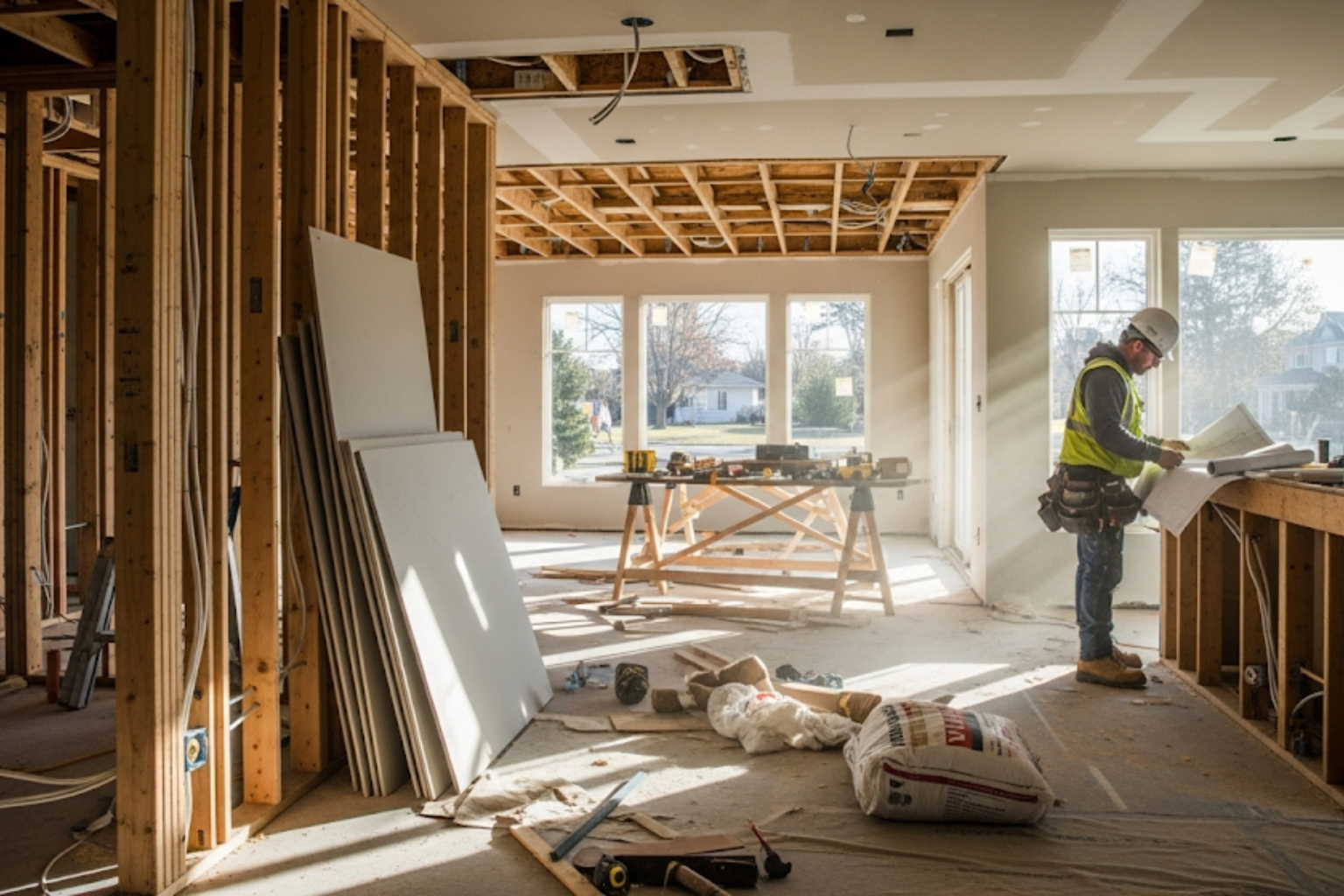
There’s a certain romance to renovation. The idea of tearing down what no longer works and rebuilding something better. Pinterest boards fill up. Paint samples pile on the counter. You can almost see the finished kitchen or the expanded living room in your mind.
But somewhere between the inspiration and the demolition, reality steps in.
Remodeling isn’t just about the reveal at the end. It’s about the dozens of small decisions made quietly along the way — the ones that don’t show up in before-and-after photos but shape the outcome just as much.
And if you’ve ever been mid-project, standing in a half-finished room wondering why you started, you know exactly what I mean.
Listening to the People Who Build for a Living
Homeowners tend to approach remodeling emotionally. Contractors approach it practically. The sweet spot lies somewhere in the middle.
Conversations with builders often reveal details we overlook. Structural limitations. Timeline realities. Permit requirements. These aren’t glamorous topics, but they matter.
Pay attention to genuine contractor insights during early discussions. When a professional gently pushes back on a design idea, it’s usually not to limit creativity — it’s to prevent problems later. Maybe that wall you want gone is load-bearing. Maybe that custom feature requires weeks of additional lead time.
Listening doesn’t mean giving up control. It means understanding the bigger picture.
The best projects feel collaborative rather than combative.
Materials: Where Vision Meets Reality
You can fall in love with a material in seconds. That marble countertop. That imported tile. That dramatic hardwood finish.
But materials behave differently in real life than they do in photographs.
Thoughtful material selection tips often focus on durability over drama. For example, natural stone may look stunning but require more maintenance than quartz. Certain wood species scratch easily in high-traffic homes with pets or kids. Glossy finishes show fingerprints more than matte surfaces.
It’s not about avoiding beautiful materials — it’s about understanding how they’ll age.
Ask yourself practical questions:
- How much maintenance am I willing to commit to?
- Will this material handle daily wear?
- Does it make sense for my climate?
Sometimes the smarter choice is slightly less flashy but far more forgiving.
Budgeting Without Panic
Let’s talk money — because we have to.
Remodeling budgets have a way of stretching. You start with a number in mind, then upgrades creep in. Better fixtures. Higher-end appliances. Custom cabinetry.
Understanding cost considerations early prevents shock later. Labor often accounts for a significant portion of the budget. Structural changes cost more than cosmetic updates. Unexpected issues — outdated wiring, hidden water damage — can surface mid-project.
A contingency fund isn’t optional. It’s essential.
Most professionals recommend setting aside 10–20% of your budget for surprises. Not because something will definitely go wrong — but because in older homes, surprises are common.
And when you’re financially prepared, stress levels stay manageable.
The Timeline No One Talks About
Renovation timelines rarely unfold perfectly.
Materials get delayed. Inspections take longer than expected. Weather interferes with exterior work.
Patience becomes part of the process.
One of the most common frustrations homeowners face is underestimating how disruptive remodeling can feel. Dust travels. Noise lingers. Daily routines shift.
Preparing mentally for temporary inconvenience makes it easier to cope when it happens.
Communication Is the Quiet Hero
If there’s one thread that ties successful projects together, it’s communication.
Clear expectations prevent misunderstandings. Regular check-ins keep everyone aligned. Questions asked early avoid assumptions later.
Don’t hesitate to ask for clarification. If something feels unclear, speak up. Good contractors appreciate engaged clients.
And if you’re managing multiple trades — electricians, plumbers, painters — coordination becomes even more important.
Designing for Real Life
It’s easy to design for how you wish you lived. But it’s better to design for how you actually live.
If you’re not someone who cooks elaborate meals, maybe professional-grade appliances aren’t necessary. If storage has always been a struggle, prioritize built-ins over decorative features.
Practicality doesn’t diminish style.
Homes function best when they align with everyday habits.
Emotional Highs and Lows
There’s a rhythm to remodeling.
Excitement at the start. Doubt midway. Relief at the end.
The middle phase — when demolition is done but completion feels far away — can be the hardest. Spaces look messy. Progress seems slow.
Trust the process. Progress often feels invisible until it suddenly comes together.
And when it does, it’s worth it.
Final Thoughts: Building with Intention
Remodeling isn’t just construction. It’s decision-making layered over weeks or months. It’s balancing creativity with caution. Vision with feasibility.
When you approach it thoughtfully — listening carefully, choosing materials wisely, budgeting realistically — the experience feels less chaotic and more intentional.
In the end, the goal isn’t perfection.
It’s creating a space that feels considered. Durable. Personal.
And when you walk into that finished room — knowing the thought behind every choice — it feels different.
Not just new.
Yours.