Design is everywhere. It’s in the lines of your favorite chair, the sunlight that dances across your floor in the afternoon, the curve of your hallway arch that just feels right. But the best design? It’s never just about how something looks. It’s about how it lives.
If you’ve ever walked into a room and felt like it somehow understood you—your habits, your tastes, your need for calm or your love of color—then you’ve experienced great design. Not the trendy kind. Not the stuff from a catalog. I’m talking about the kind of design that’s deeply personal. Grounded. Lived-in. That kind of magic doesn’t happen by chance. It’s the product of careful, layered, intentional design projects built with real people in mind.
The Story Behind the Work
Every good designer has a process—but more importantly, they have a point of view. And while you can get a sense of that from their moodboards or even their personality, the real window into their world is their interior design portfolio.
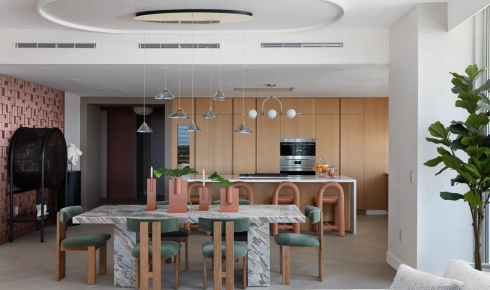
A portfolio isn’t just a gallery of pretty pictures. It’s a body of work. It’s where you see the through-lines—the signatures of their thinking, the way they handle space, light, texture, color. Are they minimal and clean? Bold and layered? Are they great with tight spaces or masters at mixing vintage with modern?
More importantly, can you see yourself in their work?
When browsing a portfolio, it helps to look beyond the obvious. Notice how the rooms function, not just how they look. Look at the styling—are those lived-in spaces or photo shoots? Is there a sense of rhythm from one room to another, or does everything feel copy-pasted? These details matter. They tell you whether a designer can create a space that holds your story—not just a trend.
What About Remodeling?
Ah yes, the thrilling (and slightly terrifying) world of remodels. Whether you’re gutting a kitchen or refreshing a powder room, there’s something deeply satisfying about breathing new life into a space. But also? A remodel can be tricky. Unlike new builds, you’re working with existing bones—some of which may not want to cooperate.
That’s where a remodel portfolio becomes a vital tool. Remodeling isn’t just about what can be done—it’s about what has been done. A strong remodel portfolio shows you how a designer thinks in constraints. How they reimagine awkward layouts, work with challenging structures, or blend old and new in a way that feels seamless.
More than that, it shows you how they solve problems creatively. Because let’s be honest, every remodel hits a few bumps. A surprise beam. Plumbing that refuses to reroute. A tile that’s been discontinued mid-project. The designers who thrive in this space are part artist, part therapist, part contractor—and their portfolio should reflect that.
Form Follows Feeling
At the end of the day, design is personal. Not just in style, but in emotion. The best spaces aren’t just beautiful. They feel good. They hold you. They inspire you.
Your bedroom should exhale at the end of the day. Your kitchen should hum with energy. Your office should focus you. Your home should make you feel more you.
That kind of design starts with good listening. A designer who asks the right questions. Who cares less about what’s trending and more about what’s lasting. Who isn’t afraid to break the rules to make something work better for you.
And yes, that kind of design takes time. It’s not always the fastest route. But it’s the one that gives you a home you actually want to live in—not just look at.
The Human Side of Design
The truth is, designing a home—or even just one room—isn’t always smooth sailing. There will be moments where decisions get tricky. Where budgets need adjusting. Where you question whether that shade of green is going to make you happy or drive you nuts.
But the process, when done right, becomes just as meaningful as the result. It’s a series of conversations, collaborations, small wins, and creative pivots. It’s discovering what you really want from a space—and sometimes, from life.
That’s why working with someone who brings not just skill but empathy to the table is so important. You want someone who knows the power of beautiful light fixtures and knows how to hold space when you’re overwhelmed by options. Because you’re not just designing a space. You’re designing a lifestyle.
Wrapping It Up: Design That Feels Like You
So, whether you’re knee-deep in planning, just dreaming for now, or browsing endless portfolios over your third cup of coffee, here’s something to keep in mind: your space should reflect who you are—not just what the internet says is “in.”
Start with that truth, and build from there.
Look at real design projects with real constraints. Browse an interior design portfolio not for perfection, but for personality. Study a remodel portfolio for signs of smart problem-solving and adaptability. And trust your gut when it comes to what feels right—not just what looks good.
Because at the end of the day, great design isn’t about showing off. It’s about showing up. For your lifestyle. Your comfort. Your daily rhythm. Your version of joy.