There’s something oddly comforting about a glass of crystal-clear water. You take a sip, and it just feels… right. No strange smells, no off-putting taste, no second guessing. But for many folks living on well water or dealing with stubborn water issues, that clarity isn’t always a given. The fix, though? It’s not as complicated as you might think. Turns out, the humble bottle of peroxide — yep, the one you probably associate with cleaning scrapes — plays a much bigger role in water treatment than most people realize.
Let’s unpack why peroxide water isn’t just a niche solution, but a quietly effective one that more and more homeowners are turning to when filters and softeners alone don’t cut it.
The Water Problems We Stop Noticing (Until We Can’t Anymore)
It starts small. Maybe your shower water smells a little like rotten eggs. Maybe the toilet bowl stains easily. Maybe your laundry keeps turning an odd shade of yellowish-orange. It’s easy to shrug it off — “It’s just how the water is out here” — until one day, it’s just too much. You stop drinking your tap water. You worry about what your kids are bathing in. You start Googling terms like “sulfur in water” or “how to remove iron naturally.”
This is the point where many people find themselves reading about peroxide for water system solutions. And it’s usually followed by one big question: “Wait, hydrogen peroxide in my water… is that safe?”
The Science (But Not the Boring Kind)
So here’s the deal. Hydrogen peroxide (H₂O₂) is an oxidizer. When added to water in low, controlled doses, it reacts with stuff like iron, manganese, and hydrogen sulfide gas. These are the usual suspects behind smells, tastes, and stains. Peroxide breaks them down into particles that are easy to filter out. Even better — it then decomposes into plain old water and oxygen. Nothing weird left behind.
This isn’t the same peroxide you’re buying at the drugstore for cuts and scrapes (which is usually 3%). Water systems typically use a slightly stronger, food-grade version — often around 7% — and it’s delivered into the water through a metering pump.
Simple science. No harsh chemicals. No lingering residues. And no chlorine.
Why Not Chlorine? Isn’t That the Standard?
It is — but that doesn’t mean it’s ideal.
Chlorine is cheap, accessible, and definitely effective at killing bacteria. But it’s also a chemical that can create potentially harmful byproducts, especially in long-term exposure. It can irritate skin, dry out your hair, and leave your water tasting like a public swimming pool.
Water peroxide solutions, on the other hand, are odorless and fast-acting. They don’t just kill bacteria; they neutralize odors and contaminants in a gentler, more natural-feeling way. And unlike chlorine, peroxide doesn’t hang around in your water system or need additional chemicals to remove it.
How It’s Used in the Real World
This isn’t some fringe theory — peroxide systems are used in homes, farms, greenhouses, and even commercial applications. They’re particularly popular with people using well water, where conditions can vary wildly from one area to another. High iron content? Check. Sulfur smells? Yep. Iron bacteria that coats your pipes and clogs your filters? Double check.
Using peroxide for water system issues is like hitting a reset button. It’s not masking the problem — it’s dealing with the root of it.
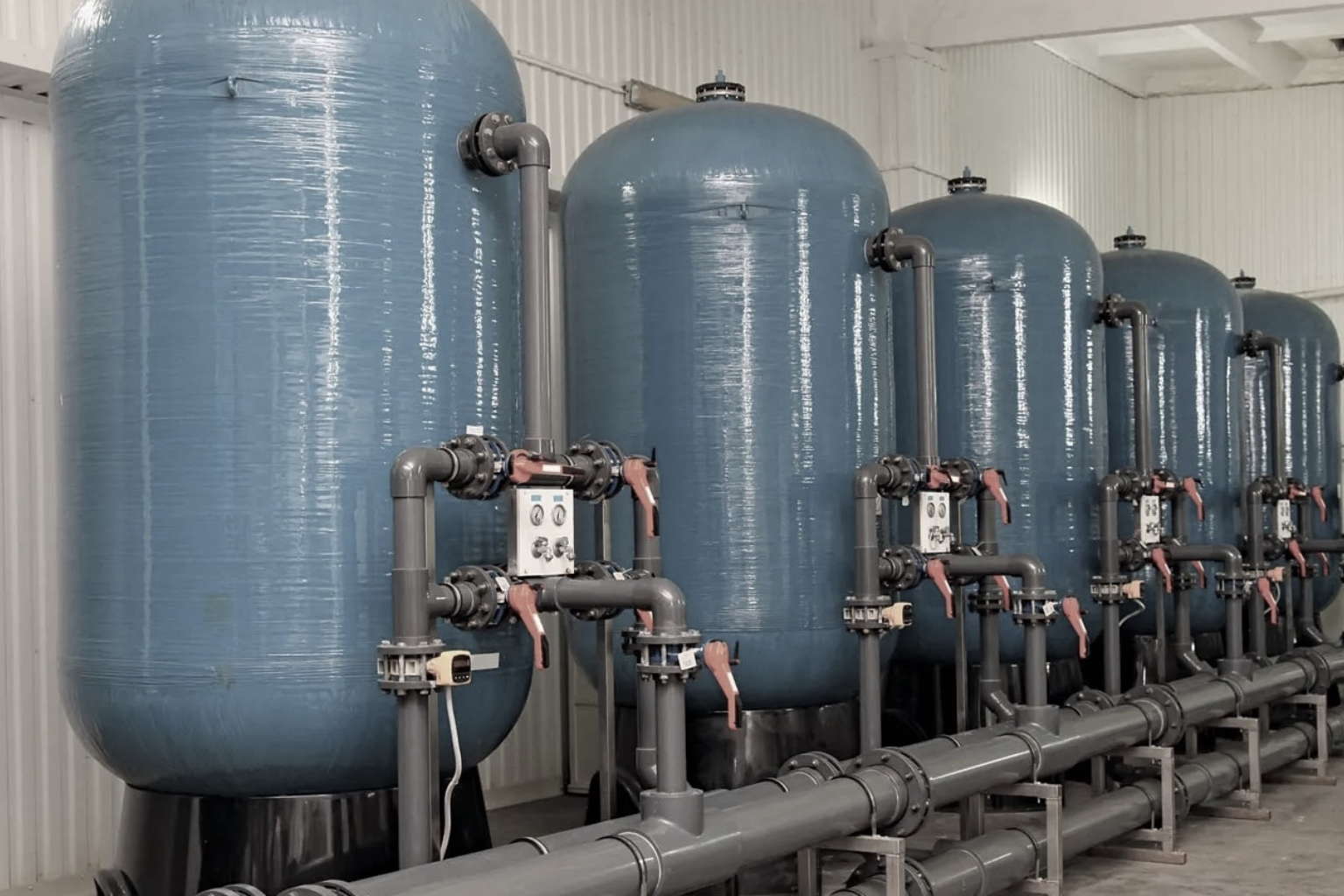
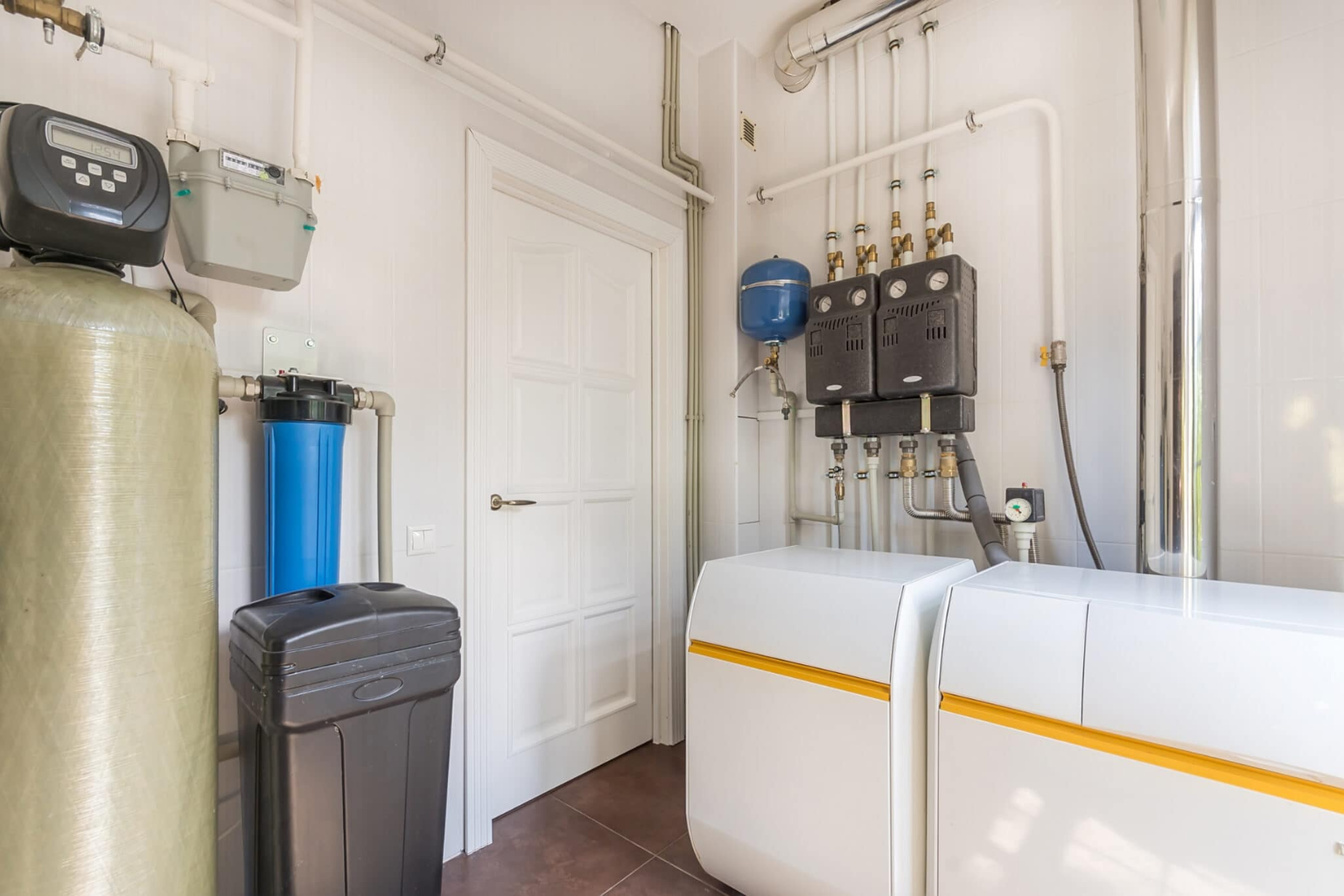
And the setup isn’t crazy expensive either. Many systems are available with injection pumps, holding tanks, and automatic sensors that make the whole thing pretty low maintenance. Just top off the peroxide every so often and swap your filters when needed.
But Is It Safe?
This one comes up a lot, understandably. Yes — when used properly, hydrogen peroxide is totally safe in water systems. It’s actually approved by the EPA and USDA for various water-related applications, including food production. The key is to use the right concentration, store it responsibly, and follow your system’s guidelines. Most systems are calibrated so there’s no residual peroxide left in your tap water after treatment. All that’s left is cleaner, fresher water — the way it should’ve always been.
The Unexpected Perks of Switching
Here’s what many homeowners report after installing a peroxide-based water treatment system:
- No more sulfur smell in the shower
- Clothes come out of the wash cleaner and whiter
- Dishes stop looking cloudy or streaky
- Skin feels better — less itchy, less dry
- Water tastes like, well… nothing (which is perfect)
It’s not magic — it’s just a smart, efficient system that handles problems at their source.
A Quick Word on Cost and Maintenance
It’s not as intimidating as it sounds. Most systems cost between $800 and $2,500, depending on size, flow rate, and features. Maintenance involves checking peroxide levels, replacing filters occasionally, and maybe cleaning the injector every few months. In return, you get water that doesn’t frustrate you — every single day.
And no, you don’t need a chemical engineering degree to keep it running. Once it’s set up, it mostly runs itself. Just don’t forget to buy the peroxide!
Wrapping It All Up
So here we are: the humble hydrogen peroxide, making its quiet way from first aid kits into full-blown home water systems. If you’re still dealing with funky smells, iron stains, or water that just doesn’t feel clean no matter what you do — maybe it’s time to give it a chance.